For anyone experiencing joint pain, everyday activities can prove difficult and have a negative impact on your quality of life. Chronic pain due to injury, arthritis symptoms, or wear and tear brought on by aging can take the fun out of living and effective joint pain relief is vital for those with an active lifestyle.
Over the counter medications and topical treatments may temporarily relieve pain, but these are only addressing the symptoms and not the underlying cause of joint deterioration.
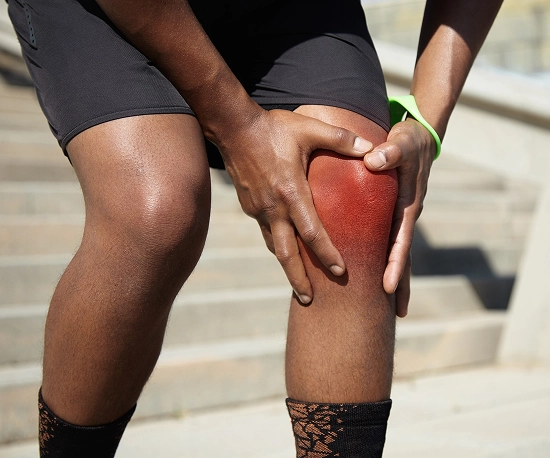
Joint pain can be caused by a variety of conditions and stressors. Osteoarthritis is the most common form of arthritis, causing cartilage breakdown and stiff, painful joints. Rheumatoid arthritis is an inflammatory cause of joint pain causing damage to healthy tissue as the condition worsens. Joint pain can result from injuries like sprains or fractures and repetitive stress from activities can lead to joint pain in athletes and otherwise routinely active people.
Many people who suffer with arthritis pain, knee pain, joint inflammation, and painful joints may find it frustrating to work, exercise, or simply perform daily activities that others may take for granted. If symptoms progress causing more chronic pain or even severe pain, mobility suffers and that can have a devastating effect on the individual, lowering their confidence and self-esteem.
 Palm Beach HealthWorks - Hair Replacement | Joint Pain Therapy | Wellness & Weight Loss | TRT Therapy
 91 Google reviewsPosted on Google
 P BPalm Beach HealthWorks provides exceptional, compassionate care from start to finish. The clinic is clean, modern, and the staff takes the time to listen, review, and tailor treatment to your needs. Highly recommended for anyone looking for attentive medical care.Posted on Google
 Angie ChestnutThe office was clean. Sam clearly explained the procedure to me and what to expect. I'm very pleased with the procedure. I considered a hair transplant, but I didn't want to cut off my hair to do grafts. I'm glad my hair is growing without the transplant. It has been 4 months, and I'm humbled and grateful for the growth.Posted on Google
 Samuel CoatsVery knowledgeable and easily explains the procedure in a manner easy to understand. I followed through with my appointments and instructions on taking care of my scalp and now I can see the investment paying off after several months, seven months to be exact. Worth the price and highly recommend.Posted on Google
 CutaI was having hairloss that I was having difficulty finding a solution until I found Palm Beach Healthworks. The staff is very knowledgable on the procedures and techniques that promote hair growth and healthy hair. Sam, the hair specialist, and all the Doctors go above and beyond to design the best treatment plan for your hair.Posted on Google
 Humberto PorrataThey have helped my hair tremendously. If you have hair issues, go here!Posted on Google
 B . DocsI LOVE MY VISIT! GREAT INFORMATION SHARED!Posted on Google
 jesse canoIt’s been a life changer not a fake thing I’m so grateful that I took a step forward and got it donePosted on Google
 Gaietry BasdeoI had a consultation with Sam, she showed alot of patience with all my questions, took the time to explain everything with great understanding and knowledge of what's happening to my hair. Sam was very accommodating with my request which helped me make my decision to proceed.


By helping reduce inflammation, stem cell therapy may offer long-term improvements in mobility and comfort. This method of regenerative medicine helps promote healing of the joint and tissue instead of just masking the symptoms.





Enjoy the benefits of Hair Restoration and Injury Treatment now and pay later with our flexible payment options .