Palm Beach residents do not tolerate limitations. The community reflects intentional choices about how to live and where to invest time and resources. Golf demands precision and physical control. Country club activities require standing, walking, and fine motor movements. Ocean engagement requires shoulder mobility and lower body strength. Social obligations demand reliable energy and pain-free presence.
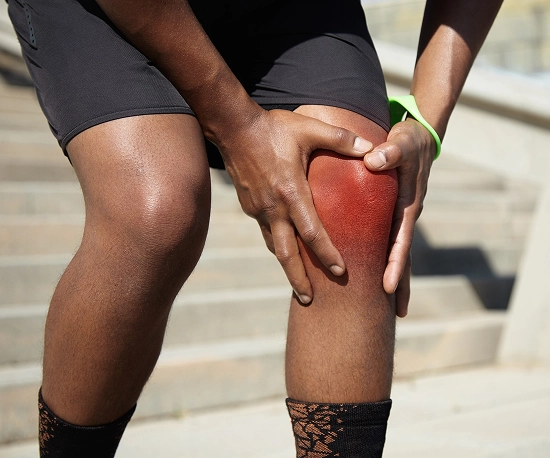
Joint degeneration threatens this carefully calibrated existence. The golfer’s swing becomes restricted by hip stiffness. The tennis player’s serve suffers when shoulder pain develops. Coastal activities lose appeal when ankles swell or knees ache. Social events become exhausting when movement creates discomfort. For Palm Beach residents accustomed to operating at high levels, joint pain feels like betrayal from a body that previously performed reliably.
Pain management pills offer temporary masking without solving underlying problems. Topical creams provide surface-level relief that lasts hours at best. Injections of steroids suppress inflammation temporarily but weaken tissue with repeated use. None of these approaches restore actual joint function or address the cartilage breakdown and inflammatory cascade perpetuating pain. None support healing. Palm Beach residents seeking solutions deserve better than perpetual symptom management.
Palm Beach HealthWorks brings cellular-level solutions to joint pain. Stem cell and exosome therapies repair damaged tissue through regenerative mechanisms the body already possesses. These approaches do not mask problems or weaken tissue with repeated administration. They actually improve the biological quality of joints.
Common Causes of Joint Pain
Joint pain can be caused by a variety of conditions and stressors. Osteoarthritis is the most common form of arthritis, causing cartilage breakdown and stiff, painful joints. Rheumatoid arthritis is an inflammatory cause of joint pain causing damage to healthy tissue as the condition worsens. Joint pain can result from injuries like sprains or fractures, and repetitive stress from activities can lead to joint pain in active people throughout Palm Beach.
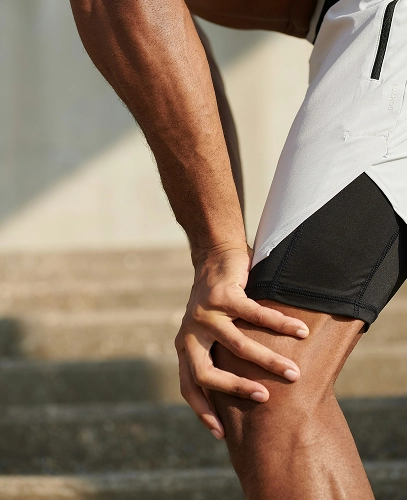
Many people who suffer with arthritis pain, knee pain, joint inflammation, and painful joints may find it frustrating to work, exercise, or simply perform daily activities that others may take for granted. In a community like Palm Beach where activity and engagement are valued, this frustration intensifies when pain limits participation in preferred pursuits.
If symptoms progress causing more chronic pain or even severe pain, mobility suffers and that can have a devastating effect on the individual, lowering their confidence and self-esteem. For Palm Beach residents who value their active participation in community and recreational life, reduced capacity creates psychological impact alongside physical discomfort.
Traditional Remedies Fail to Reduce Pain
Typical remedies to joint pain relief usually include rest, pain relieving medications, lifestyle changes, and rehabilitation. The first thing most of us do is reach for over the counter pain medications such as nonsteroidal anti inflammatory drugs, which are designed to reduce discomfort and swelling.
Physical or occupational therapists may recommend exercises and movement to improve function, strengthen muscles around the painful joints to improve flexibility. These interventions help some patients but often prove inadequate for significant joint deterioration, particularly in active individuals who demand high functional capacity.
Weight loss can significantly ease osteoarthritis knee pain and reduce stress on the knee joints, but when symptoms persist, invasive joint replacement surgery may be the next option. Unfortunately, these alternatives often do not succeed at eliminating pain and restoring mobility and flexibility but instead offer mild, temporary relief and the pain returns before long.
How Stem Cells Alleviate Pain and Support Healing
Stem cell therapy has been shown to be an effective method for addressing the root causes of inflammation, tissue damage, and severe pain in the joints. Stem cells can differentiate into specific cells needed to repair damaged connective tissue, helping support the body’s natural healing process by modulating the immune response and decreasing inflammation in the joints.
For Palm Beach residents, this cellular regeneration means actual repair of damage that has accumulated through years of activity and aging. By helping reduce inflammation, stem cell therapy may offer long-term improvements in mobility and comfort. This method of regenerative medicine helps promote healing of the joint and tissue instead of just masking the symptoms.
Many Palm Beach residents report not only pain relief but restoration of functional capacity allowing them to return to golf, recreational pursuits, and the active engagement they value in their community.
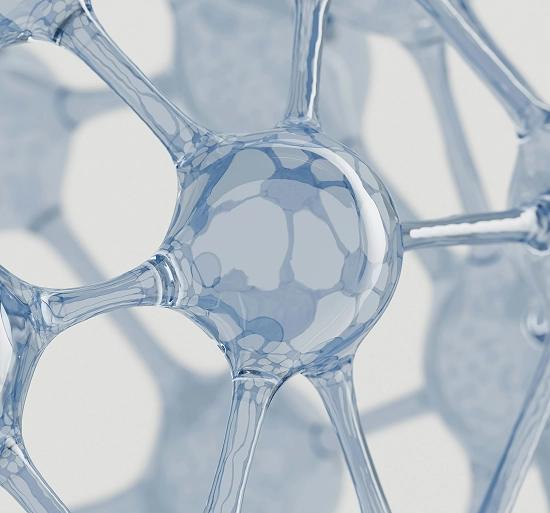
Exosomes are tiny extracellular vesicles that trigger cell to cell communication. Cell derived exosomes are made up of signaling molecules, proteins, and growth factors to stimulate and support tissue repair and recovery where needed.
Exosomes have also been shown to play a role in intercellular communication in osteoarthritis and can have a beneficial impact on cellular responses to injury and inflammation in the joints. For Palm Beach residents dealing with chronic joint conditions, exosomes provide amplified healing signals that support the body’s natural repair capacity.
Exosomes can also be used as an efficient delivery vehicle of therapeutic agents to target cells, providing a promising avenue for joint care. Experts believe exosomes could play a role in improving cartilage regeneration in osteoarthritis, which may eventually lead to healthier joint function for Palm Beach residents committed to maintaining active lifestyles.
Combining Stem Cells and Exosomes for Pain Management
Stem cells and exosome therapies are often combined to target the causes of joint pain and degeneration and thereby reduce the pain that comes with them. Both therapies offer anti-inflammatory properties and focus on the underlying causes of joint deterioration instead of masking the pain and discomfort. Each form of therapy contains regenerative effects that have been shown to promote tissue repair and recovery and improve overall joint health and function.
Both therapies are used to reduce inflammation and promote tissue healing, and they can potentially restore cartilage health in osteoarthritis, which can give many Palm Beach patients hope for non-invasive alternatives that offer long-term pain relief. The synergistic combination addresses multiple aspects of joint damage simultaneously.
Best of all, minimal downtime is associated with stem cell and exosome therapies, so patients can resume their normal activities sooner and start living life again in the vibrant Palm Beach community.
The procedure is far less disruptive than traditional surgery. Rather than cutting, removing tissue, or implanting prosthetics, physicians deliver concentrated cellular material directly into the problem joint through a small injection. Imaging guidance ensures precision. Tissue trauma is negligible. No general anesthesia is required. No incisions need stitching. You leave the clinic the same day and function normally immediately.
Do these types of therapy replace surgery?
For some patients, regenerative treatment resolves the problem sufficiently that surgery becomes unnecessary. For others, regenerative therapy provides meaningful improvement but does not eliminate the need for eventual surgical intervention. The distinction depends on how much cartilage has been lost, whether bone structure has been compromised, and how aggressively your particular condition progresses. Your physician provides specific guidance based on imaging and examination.
How long does recovery take?
Recovery is abbreviated compared to what joint surgery demands. You might experience mild soreness at the injection site that resolves within days. You return to normal activities immediately. Golf resumes within two to three weeks for most patients. Social schedules need no adjustment. This practical advantage over surgical recovery makes regenerative therapy appealing to residents with full calendars.
How are stem cells administered?
Injection directly into the joint represents the standard approach and allows physicians to place cells exactly where damage exists. Intravenous administration may be recommended if widespread systemic inflammation is present or if multiple joints need treatment simultaneously. Surgical implantation is rarely needed. Your physician discusses which method suits your situation and why.
Are there risks with these types of therapy?
Risks exist but remain uncommon. Infection at the injection site, immune response to the biological material, or bleeding within the joint can occur. Reaction severity depends on cell quality, processing methods, your immune status, and pre-existing medical conditions. Your physician reviews your health history to identify any individual risk factors and discusses these openly.
How long before you can expect to see results?
Tissue regeneration operates on a biological timeline, not an instant one. Some patients notice pain reduction within three weeks. Others require two to three months before improvements become pronounced. Continued improvement often occurs over six months as repair deepens. Your physician explains likely progression for your situation after evaluating damage extent.