Palm Beach Gardens embodies family values centered on activity and growth. Parents drive children to soccer games, school functions, and recreational programs. Grandparents attend recitals, performances, and competitions. Community parks buzz with families walking, exercising, and playing together. For adults in this environment, physical capability directly impacts parenting effectiveness and family connection.
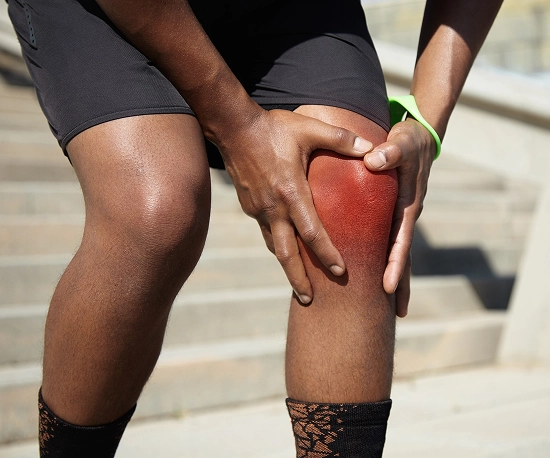
Joint pain disrupts this fundamental role. The parent who cannot sit comfortably through their child’s school assembly misses important moments. The grandparent whose knees hurt cannot chase grandchildren or participate in family games. The neighbor who stops walking because of ankle pain loses the community connection that makes this place feel like home. Losing mobility means losing the capacity to be the person you want to be for people who matter most.
Masking pain with medication is not a solution. Pills provide hours of relief at best, creating a dependency cycle that increases risks with long-term use. Topical solutions numb skin without addressing internal deterioration. Physical therapy helps build strength but cannot reverse cartilage damage already done. For Palm Beach Gardens residents seeking real solutions rather than temporary fixes, these approaches prove fundamentally inadequate.
Palm Beach HealthWorks brings cellular repair technology to family-focused communities. Stem cell and exosome therapies work differently than pain management. These regenerative approaches actually fix damaged tissue, addressing the root cause rather than temporarily masking symptoms.
Common Causes of Joint Pain
Joint pain can be caused by a variety of conditions and stressors. Osteoarthritis is the most common form of arthritis, causing cartilage breakdown and stiff, painful joints. Rheumatoid arthritis is an inflammatory cause of joint pain causing damage to healthy tissue as the condition worsens. Joint pain can result from injuries like sprains or fractures, and repetitive stress from activities can lead to joint pain in active individuals.
Many people who suffer with arthritis pain, knee pain, joint inflammation, and painful joints may find it frustrating to work, exercise, or simply perform daily activities that others may take for granted. For Palm Beach Gardens residents, joint pain often interferes with the specific activities that drew them to this community.
If symptoms progress causing more chronic pain or even severe pain, mobility suffers and that can have a devastating effect on the individual, lowering their confidence and self-esteem. When joint pain prevents you from participating in the lifestyle and activities you value, it creates emotional consequences beyond the physical discomfort.
Traditional Remedies Fail to Reduce Pain
Typical remedies to joint pain relief usually include rest, pain relieving medications, lifestyle changes, and rehabilitation. The first thing most of us do is reach for over the counter pain medications such as nonsteroidal anti inflammatory drugs, which are designed to reduce discomfort and swelling.
Physical or occupational therapists may recommend exercises and movement to improve function, strengthen muscles around the painful joints to improve flexibility. Therapy helps some patients achieve improvement but often proves insufficient when significant joint deterioration exists.
Weight loss can significantly ease osteoarthritis knee pain and reduce stress on the knee joints, but when symptoms persist, invasive joint replacement surgery may be the next option. Unfortunately, these alternatives often do not succeed at eliminating pain and restoring mobility and flexibility but instead offer mild, temporary relief and the pain returns before long.
How Stem Cells Alleviate Pain and Support Healing
Stem cell therapy has been shown to be an effective method for addressing the root causes of inflammation, tissue damage, and severe pain in the joints. Stem cells can differentiate into specific cells needed to repair damaged connective tissue, helping support the body’s natural healing process by modulating the immune response and decreasing inflammation in the joints.
By helping reduce inflammation, stem cell therapy may offer long-term improvements in mobility and comfort. This method of regenerative medicine helps promote healing of the joint and tissue instead of just masking the symptoms. For Palm Beach Gardens residents, this means actual repair of accumulated damage rather than temporary symptom suppression.
Many patients report not only pain relief but restoration of the functional capacity needed to return to activities important to them and their families.
Exosomes are tiny extracellular vesicles that trigger cell to cell communication. Cell derived exosomes are made up of signaling molecules, proteins, and growth factors to stimulate and support tissue repair and recovery where needed.
Exosomes have also been shown to play a role in intercellular communication in osteoarthritis and can have a beneficial impact on cellular responses to injury and inflammation in the joints. These microscopic structures facilitate healing responses throughout the damaged joint, providing concentrated therapeutic benefit.
Exosomes can also be used as an efficient delivery vehicle of therapeutic agents to target cells, providing a promising avenue for joint care. Experts believe exosomes could play a role in improving cartilage regeneration in osteoarthritis, which may eventually lead to healthier joint function and pain reduction for Palm Beach Gardens residents.
Combining Stem Cells and Exosomes for Pain Management
Stem cells and exosome therapies are often combined to target the causes of joint pain and degeneration and thereby reduce the pain that comes with them. Both therapies offer anti-inflammatory properties and focus on the underlying causes of joint deterioration instead of masking the pain and discomfort. Each form of therapy contains regenerative effects that have been shown to promote tissue repair and recovery and improve overall joint health and function.
Both therapies are used to reduce inflammation and promote tissue healing, and they can potentially restore cartilage health in osteoarthritis, which can give many Palm Beach Gardens patients hope for non-invasive alternatives that offer long-term pain relief. The combination creates comprehensive healing benefits.
Best of all, minimal downtime is associated with stem cell and exosome therapies, so patients can resume their normal activities sooner and start living life again in their community.
Not the way you’re thinking. It’s not surgery. It’s an injection. Yeah, a needle’s involved, but they use ultrasound to guide it right where it needs to go. It takes maybe fifteen minutes. No cutting. No stitches. No anesthesia putting you to sleep. You come in during lunch and go back to picking up your kids from school.
Do these types of therapy replace surgery?
Sometimes. Some people do this and never need surgery. Other people do it and still end up needing surgery eventually. Depends on how much damage you’re dealing with and whether your body responds well. Your doctor looks at your imaging and gives you realistic odds based on what they actually see, not promises.
How long does recovery take?
Almost none. You might have some soreness the next day, but that’s it. You’re not missing your kids’ soccer games. You’re not calling out of work. You’re not reorganizing your whole life around healing. This is huge compared to surgery, which will knock you out of commission for months.
How are stem cells administered?
Direct injection into the joint. That’s the main way because it puts the cells exactly where the problem is. If you’ve got multiple joints hurting or inflammation everywhere, sometimes they do IV instead. Your doctor talks through which makes sense for you.
Are there risks with these types of therapy?
Yeah, everything medical has some risk. Infection could happen. Your immune system could react. Temporary swelling is possible. These things are uncommon though if they’re using clean technique and quality cells. How much risk applies to you depends on your age, your immune status, and what other health stuff you’ve already got going on. Your doctor discusses your personal risk picture during the consultation.
How long before you can expect to see results?
It’s not like taking a painkiller. Your body’s got to actually rebuild tissue, which takes time. Some people notice things changing after three weeks. Others wait a couple months. Keep improving over time after that. Younger people generally recover faster than older people. More damage takes longer to fix than less damage. Your doctor explains realistic timelines for your specific situation once they’ve examined everything.