
The most comprehensive path to lasting relief involves treating the origin of pain rather than focusing only on short term symptom control. Stem cell therapy can be a powerful part of this strategy because undifferentiated stem cells are uniquely equipped to repair and regenerate damaged tissue throughout the body. By directing treatment to areas of ongoing pain, these cells can ease discomfort that many conventional approaches cannot fully address.
Once delivered into the body, stem cells are attracted to regions that show signs of damage or inflammation. When they reach these regions, they specialize into the exact types of cells required to rebuild and restore healthy tissue. This ongoing regenerative process relieves pain, improves stability, and supports better mobility, which helps patients carry out daily activities with greater ease.
Beyond direct tissue repair, stem cell injections also encourage the body’s own reservoir of stem cells to move toward the injured site. Together, these cells form new, healthy tissue, reinforce compromised structures, and enhance overall function in the affected area. This dual mechanism supports more complete healing and sets the stage for durable, long term relief from persistent pain.
Documented outcomes indicate that stem cell therapy can effectively treat pain connected to neuropathic disorders, musculoskeletal challenges, osteoarthritis, discogenic back concerns, and injuries involving tendons or ligaments. If you are managing one of these conditions, experiencing severe or persistent discomfort, and noticing that physical therapy has not delivered adequate relief, stem cell therapy may help target the source of your pain and provide improvement.
Osteoarthritis gradually erodes joint cartilage and can affect the underlying bone, leading to chronic pain, stiffness, and trouble with everyday activities. Stem cell therapy is intended to help regenerate cartilage and rebuild the cushioning layer between bones, reducing the sharp pain that comes from unprotected bone contact. By focusing on the damaged joint structures, it supports smoother movement and longer-lasting comfort.
Tendons and ligaments are key stabilizers that link muscles to bones and keep joints moving correctly. Sudden twists, falls, or repeated strain can injure these tissues and cause persistent pain and weakness. Stem cell and exosome therapy may help restore partially damaged tendons and ligaments, improving their strength, reducing symptoms, and enhancing the body’s own ability to heal.

Muscle pain is often linked to excessive use, poor mechanics, or accidental injury. Delivering stem cells and exosomes directly into the painful muscle can help spark repair where it is needed most. By supporting tissue renewal, lowering inflammation, and correcting the source of irritation, these therapies can reduce pain and help muscles function more normally over time.
Back pain that lasts for months or years can be related to degenerative discs, herniated discs, arthritic changes in the spine, or irritation of the facet joints. For many, traditional treatments bring only partial or temporary relief. Stem cell and exosome injections can support regeneration in the affected spinal tissues, limit inflammation, and target the mechanical causes of pain, offering a pathway toward better spinal health and more manageable symptoms.
Plantar fasciitis is a frequent heel problem that occurs when the plantar fascia, the strong band linking the toes and heel bone, becomes strained and inflamed from repeated impact. This leads to sharp or burning heel pain that can disrupt walking and standing. Through non-invasive stem cell therapy, the inflamed tissue may receive support for healing, improved structure, and better flexibility, helping ease pain without relying on surgery.

These cutting edge therapies help address pain that arises from damaged tissue, inflammatory changes, repetitive wear, and other functional disruptions. By treating the underlying cause of discomfort, stem cell and exosome treatments can provide broader, more effective relief than many conventional medical approaches.
Stem cells and exosomes are rich in bioactive substances that help downregulate inflammation in irritated or injured tissues. Since inflammation is closely tied to chronic pain, calming these responses helps promote recovery and makes daily activities more comfortable.
Thanks to their ability to become specialized cells, stem cells and exosomes can assist with repairing damaged muscle, tendon, or cartilage. This regenerative effect helps rebuild key structures, restore movement, and support greater strength and stability.
These therapies may also support healthier nerve function by addressing damaged or overly sensitive nerves. By reducing abnormal pain signaling at the neural level, they can alleviate discomfort where it begins and encourage lasting relief from persistent pain.
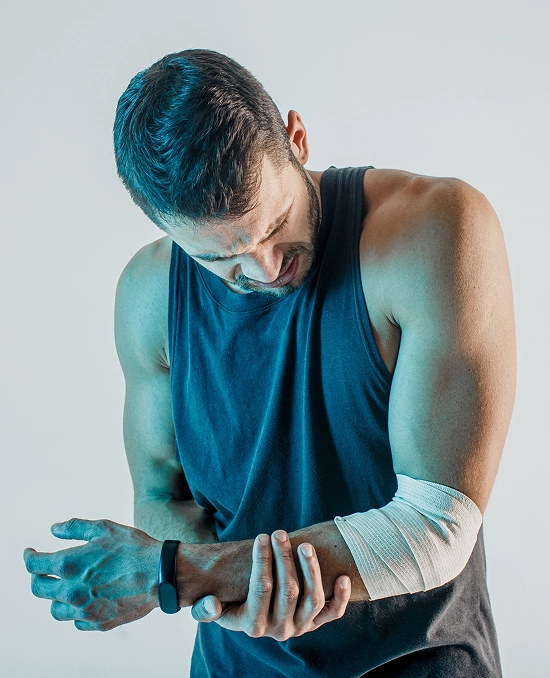

For those who have been injured while playing golf, stem cell and exosome therapy has become a popular choice, offering a way to treat the root cause of pain and support an accelerated recovery process.
These include:

A large portion of golf injuries affect the lower back because the swing’s rotation and follow through can overload the lumbar region.
In golfer’s elbow, the tendons on the inside of the elbow become irritated from repeated gripping and wrist driven swings.
Shoulder pain in golfers is often tied to rotator cuff tendonitis or bursitis, commonly caused by repetitive motion and technique errors.
Wrist pain from tendonitis usually develops after repeated rounds or practice sessions, as continuous stress leads to tendon irritation and inflammation.

Common tennis injuries can be addressed with regenerative therapies designed to relieve pain and restore mobility and function for the following conditions:
Sprained ankles are especially common in tennis due to rapid lateral movements and quick stops, which can overstretch or tear the ligaments around the joint. This leads to pain, swelling, and limited range of motion. Stem cell therapy can help control inflammation, encourage ligament repair, and restore stability and flexibility in the ankle.
Tennis elbow, or lateral epicondylitis, is caused by repetitive strain on the tendons joining the forearm muscles to the outer elbow. Players may experience pain when lifting, gripping, or swinging the racquet. Stem cell or exosome therapy can help repair tendon microtears, reduce inflammation, and ease pain.
Tennis players may develop rotator cuff injuries from repetitive strokes or a single powerful serve that stresses the shoulder. Pain, stiffness, and weakness often limit normal function. Regenerative therapies using stem cells or exosomes can help restore tissue integrity, reduce discomfort, and enhance shoulder strength and mobility.
Tears involving the ACL, MCL, or PCL are serious knee injuries that frequently occur with sudden pivoting or awkward landings. They often result in significant pain and difficulty bearing weight. Stem cell therapy can aid ligament regeneration, reduce pain, and help rebuild stability for a more confident return to activity.
Patellar tendonitis, also known as Jumper’s Knee, is caused by repeated stress on the patellar tendon from jumping and sprinting. This leads to pain just below the kneecap and may limit athletic performance. Stem cell therapy can support tendon repair, calm inflammation, and help restore comfortable, functional knee motion.

As pickleball participation rises, more players are experiencing acute and chronic injuries from the sport. Stem cell therapy can help by targeting the underlying damage and promoting the repair of injured tissue.
Pickleball elbow develops when repeated strokes put too much strain on the tendons that attach around the elbow, causing pain and localized inflammation. Stem cell therapy can help renew these tendons, relieve discomfort, and improve arm function.
Fast changes of direction and sudden stops can twist the ankle and injure its supporting ligaments. Regenerative therapy can provide support for ligament healing, reduce pain, and help restore full, stable ankle motion.
Frequent matches and intense training can overwork the Achilles tendon, producing soreness and stiffness that affect movement. Stem cell therapy can help accelerate tendon healing, lessen inflammation, and enhance overall mobility.
Repetitive paddle use can affect the wrist, leading to aching, stiffness, and difficulty with certain motions. Stem cell treatments can assist with repairing tissue damage and restoring normal, comfortable wrist flexibility and control.
If you are a resident of Fort Lauderdale experiencing pain from injuries or chronic physical conditions, stem cell and exosome therapy may offer the relief you are seeking. These non-invasive regenerative treatments are designed to reduce pain by targeting the deeper causes of tissue damage.
Patients in Fort Lauderdale often experience quicker recovery, fewer surgical interventions, and a reduced need for ongoing pain medications after starting regenerative therapy. By addressing the underlying source of discomfort, these treatments help restore healthier function and encourage real healing.
If you want to regain balance, reduce chronic pain, and return to your daily activities in Fort Lauderdale, consider scheduling a consultation. Stem cell and exosome therapy may help restore your mobility, elevate your quality of life, and support long term comfort.



Enjoy the benefits of Hair Restoration and Injury Treatment now and pay later with our flexible payment options.