
The most reliable way to experience relief that truly lasts is to address the underlying source of pain instead of only calming the symptoms. Stem cell therapy can assist in this process because these undifferentiated cells possess an exceptional ability to repair and regenerate damaged tissue throughout the body. When applied to areas of long standing discomfort, stem cells can lessen pain in cases where conventional treatments may not provide sufficient results.
After being delivered into the body, stem cells are drawn to areas that show signs of injury or degeneration. Once they reach these regions, they transform into the precise types of cells needed to rebuild muscle, cartilage, tendon, or other tissues. This targeted regeneration relieves discomfort while restoring strength and flexibility, so patients can return to their routines with improved comfort and function.
Stem cell therapy also enhances the body’s own healing response by attracting native stem cells to migrate toward the damaged area. As these cells work in unison, they create new healthy tissue, reinforce weakened structures, and improve overall biomechanics. This powerful combination of direct repair and biological activation fosters deeper healing and encourages sustained relief from chronic pain.
Clinical results have shown that stem cell therapy can effectively reduce pain from neuropathic conditions, musculoskeletal problems, osteoarthritis, discogenic back pain, and tendon or ligament injuries. If you are suffering from these concerns, dealing with significant discomfort, and noticing that physical therapy has not provided sufficient relief, stem cell therapy may address the underlying cause and help diminish your pain.
With osteoarthritis, the cartilage that cushions the joints gradually thins, while surrounding bone may become irritated, causing ongoing pain and swelling. Stem cell therapy seeks to restore this cartilage and re-establish a smooth buffer between bones, easing friction-related pain. By working on the damaged tissues themselves, it offers a regenerative strategy that supports continued joint flexibility and comfort.
Tendons and ligaments are essential for joint stability, transmitting force and guiding movement. Sudden trauma or long-term repetitive strain can leave them inflamed, sore, and weakened. Using stem cell and exosome therapy, these partially torn or stressed tissues may receive regenerative support, which can improve structural integrity, reduce pain, and encourage the body’s own repair mechanisms.

Overworked or injured muscles can become tight, sore, and difficult to use. By injecting stem cells and exosomes into the injured muscle, providers aim to activate natural repair pathways. This approach can help rebuild damaged fibers, ease inflammatory responses, and focus on the root cause of pain, potentially offering more complete muscle recovery than short-lasting treatments.
Ongoing back discomfort can arise from a variety of spinal conditions, including disc wear, disc herniations, arthritic joints, and inflamed facet joints. Many patients discover that medications and basic therapies do not fully resolve their symptoms. Stem cell and exosome treatments can stimulate tissue repair in the spine, reduce inflammation, and focus on the core structural issues, which may lead to improved function and relief from chronic pain.
Plantar fasciitis develops when the plantar fascia, the connective tissue band between the toes and heel bone, becomes irritated or strained. This can cause intense heel pain that interferes with standing, walking, and daily tasks. By using stem cell therapy as a non invasive option, it may be possible to decrease inflammation, restore healthier tissue, and support better mobility, offering a potential alternative to surgical treatment.

These innovative therapies help restore function in areas impacted by injury, inflammatory conditions, long term wear, and different types of tissue dysfunction. By targeting the core source of pain, stem cell and exosome treatments can deliver more complete and meaningful relief than many conventional methods.
The signaling molecules inside stem cells and exosomes are known to help reduce excessive inflammation in stressed tissues. Since inflammation often worsens or prolongs pain, these treatments can calm the area, encourage healing, and promote greater day to day comfort.
With the ability to become targeted cell types, stem cells and exosomes contribute directly to tissue repair. They may help rebuild injured muscle, tendon, or cartilage, leading to better function, improved resilience, and a smoother, more natural range of motion.
By acting on irritated or damaged nerves, stem cell based therapies can help dial down nerve sensitivity. This reduces abnormal pain signaling and can provide relief at the source of discomfort, supporting long term improvements for those with ongoing pain conditions.
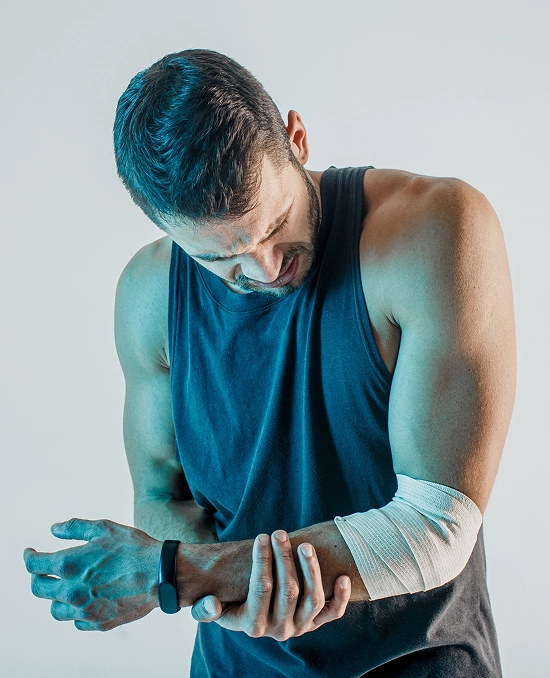

Countless golfers have explored stem cell and exosome therapy to manage pain from golf related injuries, choosing this option for its focus on underlying damage and its ability to enhance recovery time.
These include:

Lower back pain in golfers is common because the powerful rotation required in the swing can overload muscles, joints, and discs.
Golfer’s elbow develops when repeated gripping and wrist flexion irritate the tendons that attach to the inner side of the elbow.
Many golfers experience shoulder pain from rotator cuff tendonitis or bursitis that results from repetitive swinging or forced follow through.
Wrist tendonitis often appears in golfers who practice frequently, as repeated impact and motion cause inflammation and soreness.

Common tennis injuries can be addressed with regenerative therapies designed to relieve pain and restore mobility and function for the following conditions:
Tennis players often experience sprained ankles when a quick pivot or misstep twists the joint, stretching or tearing the supporting ligaments. This can result in swelling, pain, and loss of stability. Stem cell therapy can help reduce inflammation, support more complete ligament healing, and return the ankle to proper function.
Tennis elbow, or lateral epicondylitis, results from repeated use of the forearm muscles that extend the wrist and fingers. Pain is usually felt on the outside of the elbow and may spread down the arm. Stem cell or exosome treatments can help rebuild damaged tendon fibers, quiet inflammation, and decrease pain.
Repetitive overhead motion or a single forceful swing can damage the rotator cuff, the group of muscles and tendons that stabilize the shoulder. This can limit the ability to raise the arm and perform strokes comfortably. Regenerative therapies such as stem cell or exosome injections can support tendon repair, reduce discomfort, and increase shoulder mobility.
ACL, MCL, and PCL tears can occur during rapid turns, slips, or sudden stops on the court and are often accompanied by sharp pain and swelling. Stem cell therapy can encourage new ligament tissue growth, reduce pain, and help restore stability so the knee can better withstand athletic demands.
Patellar tendonitis, known as Jumper’s Knee, is caused by repetitive loading of the tendon just below the kneecap during jumping and rapid movement. This leads to pain that can limit performance. Stem cell therapy can stimulate healing within the tendon, reduce inflammatory changes, and improve knee function over time.

As interest in pickleball expands, so does the number of injuries seen in casual games and competitive matches. Stem cell therapy can work on the underlying cause of these injuries while aiding in the repair and renewal of affected tissues.
When the same swinging motion is repeated many times in pickleball, the tendons around the elbow can become irritated and strained. Stem cell therapy can help repair these stressed tendons, ease pain, and improve flexibility and grip strength.
Side to side movements and fast pivots increase the risk of rolling the ankle, resulting in ligament sprains. Regenerative therapy can support the healing of these ligaments, lessen pain, and return stability so players can move confidently.
Excessive running and pushing off the back foot can inflame the Achilles tendon, causing stiffness and heel pain. Stem cell therapy can assist with tendon recovery, reduce discomfort, and allow a smoother stride on the court.
The constant motion of returning shots can overwork the wrist, leading to pain and reduced range of motion. Stem cell treatments can help rebuild damaged soft tissue and support smoother, more comfortable wrist movement.
If you are a resident of Lake Park dealing with pain from injuries or chronic conditions, stem cell and exosome therapy may offer a promising path forward. These non-invasive regenerative therapies aim to reduce pain and assist your body in repairing damaged tissues more efficiently.
Individuals in Lake Park frequently experience improved recovery, a reduced reliance on surgical treatment, and less need for ongoing pain medications when exploring these therapies. By targeting the origin of discomfort, stem cell and exosome treatments encourage true healing and strengthen overall function.
If you are ready to restore mobility, manage chronic pain more effectively, and return to your normal daily activities in Lake Park, consider scheduling a consultation. These innovative treatments may help you regain an active lifestyle and improve your long term comfort and wellness.



Enjoy the benefits of Hair Restoration and Injury Treatment now and pay later with our flexible payment options .