

Focusing on the root cause of pain is still the most complete and effective strategy for achieving relief that truly lasts. Stem cell therapy can support this goal through the use of undifferentiated cells that are capable of repairing and regenerating damaged tissues throughout the body. By homing in on sites of chronic discomfort, stem cells can ease pain that many standard treatments fail to fully address.
Once introduced into the body, stem cells naturally seek out tissues in distress and migrate to areas in need of repair. When they arrive, they adapt into the specific types of cells necessary to rebuild and restore the injured tissue. This regenerative action not only helps calm pain and inflammation but also strengthens function, enabling patients to move more freely and participate in normal activities with fewer restrictions.
In addition to this direct regenerative effect, stem cell injections can also stimulate the body’s own stem cell reserves to gather around the injured or painful region. Together, these cells form new tissue, repair structural damage, and support better joint and muscle performance. This two layered response encourages more complete healing and provides a foundation for long term relief from recurring pain.
Stem cell therapy has produced documented benefits for patients with neuropathic pain, musculoskeletal strain, osteoarthritic deterioration, discogenic back issues, and injuries involving tendons and ligaments. If you face any of these conditions, experience intense or ongoing pain, and have not found relief from physical therapy alone, stem cell therapy may help by targeting the source of the problem and easing your symptoms.
Osteoarthritis slowly damages cartilage and nearby bone, which can lead to aching joints, stiffness, and difficulty with daily movements. Stem cell therapy offers a way to help restore cartilage and rebuild the cushioning layer that keeps bones from rubbing together. By targeting the degeneration itself, this treatment approach aims to protect joint function and support more comfortable long-term mobility.
Tendons and ligaments keep joints aligned and stable by linking muscles to bones. When they are injured in sports or stressed over many years, they can become painful, swollen, and less capable of supporting movement. Stem cell and exosome therapy can aid in repairing these partially damaged tissues, helping to strengthen the connective structures, reduce discomfort, and promote a healthier healing process.

Muscle pain frequently arises after intense workouts, repetitive tasks, or sudden injuries. Stem cell and exosome treatments can be precisely directed into the sore muscle to stimulate repair at a cellular level. This can support tissue regeneration, decrease inflammation, and address the source of pain so patients may experience better muscle performance and lasting relief.
Persistent back pain may be caused by degenerative disc disease, bulging or herniated discs, spinal arthritis, or swelling within the facet joints. These problems can be difficult to manage using standard pain relief strategies alone. Stem cell and exosome injections can encourage repair within spinal tissues, lessen inflammatory responses, and target the structural sources of pain, supporting better spine mechanics and more consistent relief.
Plantar fasciitis is a common source of heel pain that occurs when the plantar fascia, the strong band running from the heel bone to the toes, becomes irritated from overuse. This irritation often results in sharp pain that worsens with each step. Stem cell therapy offers a non-invasive approach that may help soothe inflammation, support tissue recovery, and enhance mobility, potentially easing symptoms without the need for surgery.

These leading edge therapies support better function in tissues affected by injury, inflammation, repetitive stress, and other structural problems. By addressing the underlying drivers of pain rather than only the symptoms, stem cell and exosome treatments can offer a more thorough level of relief than traditional approaches.
Bioactive substances carried by stem cells and exosomes play a key role in moderating the body’s inflammatory response. Because chronic inflammation is closely linked with persistent pain, these therapies help settle irritated tissues, aiding in recovery and improving how patients feel overall.
Stem cells and exosomes can develop into specialized cells that match the tissue in need of repair. By contributing to the restoration of muscle, tendon, or cartilage, they help rebuild damaged areas, support strong and flexible joints, and improve physical performance.
These therapies may influence the way the nervous system processes pain by supporting nerve repair and reducing hypersensitive responses. By modifying the pathways that deliver pain messages, they can lessen discomfort and help patients manage chronic pain more effectively.
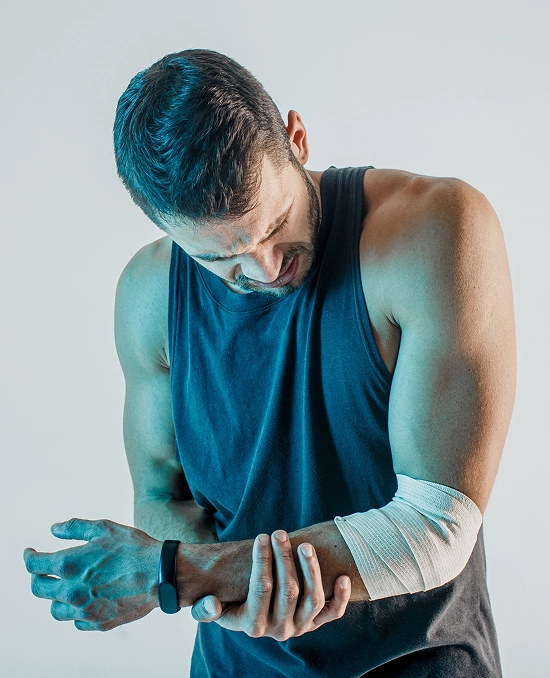

For injuries acquired while playing golf, many individuals have opted for stem cell and exosome therapy as a way to treat the root cause of their discomfort and support a speedier return to the game.
These include:

Lower back strain is the most common golf related problem, often caused by repeated twisting during the swing and poor core support.
Golfer’s elbow, known medically as medial epicondylitis, arises when the tendons on the inside of the elbow are stressed by repetitive wrist action.
Rotator cuff and bursa irritation are typical shoulder issues in golfers, usually tied to excessive practice or improper swing form.
Overuse of the wrist during play can inflame the tendons, producing wrist tendonitis with pain on impact and follow through.

Common tennis injuries can be addressed with regenerative therapies designed to relieve pain and restore mobility and function for the following conditions:
In tennis, abrupt stops and lateral movements frequently lead to sprained ankles, where the ligaments that stabilize the joint are overstretched or torn. Symptoms often include swelling, tenderness, and difficulty walking. Stem cell therapy can support ligament healing, control swelling, and help restore normal ankle function more efficiently.
Tennis elbow, or lateral epicondylitis, is caused by repetitive stress on the forearm muscles that attach near the outer elbow. The pain can spread along the forearm and interfere with everyday tasks such as lifting or gripping. Stem cell or exosome therapies can help renew damaged tendon tissue, reduce inflammation, and relieve pain.
Rotator cuff injuries can develop from repeated overhead strokes, such as serves and smashes, or from a single powerful motion. Pain and weakness in the shoulder can make swinging and follow through difficult. Regenerative injections using stem cells or exosomes can support tissue regeneration, decrease inflammation, and improve shoulder strength and range of motion.
Tears to the ACL, MCL, or PCL often result from sudden changes in direction, awkward landings, or collisions on the court. These injuries typically cause significant pain and a feeling that the knee might give way. Stem cell therapy can promote ligament repair, lessen pain, and support a more stable and functional knee joint.
Patellar tendonitis, often called Jumper’s Knee, is linked to repetitive jumping and sprinting, which place repeated strain on the tendon beneath the kneecap. This can cause soreness and stiffness that worsens with activity. Stem cell therapy can help repair tissue, reduce inflammation, and restore more comfortable, efficient knee movement.

The surge in pickleball participation has led to an increase in strains, sprains, and other injuries affecting players at every level. Stem cell therapy can help correct the source of these problems and assist the body in regenerating damaged tissue.
Repetitive paddle swings and gripping during pickleball can strain the elbow tendons, producing aching, localized pain, and inflammation. Stem cell therapy can promote tendon regeneration and help relieve discomfort while restoring functional use of the arm.
Sharp direction changes and rapid footwork can cause the ankle to twist unexpectedly, damaging stabilizing ligaments. Regenerative therapy can assist in ligament repair, reduce swelling, and help the joint regain balance and support.
Players who are new to the sport or suddenly increase their activity often feel pain in the Achilles tendon from overuse. Stem cell therapy can encourage healing within the tendon, lower inflammation, and improve walking and running comfort.
Swinging the paddle again and again can lead to soreness, stiffness, and weaker motion in the wrist. Stem cell treatments can support the repair of stressed tissues and help restore normal wrist function and control.
If you are in Westlake and continue to experience pain from chronic conditions or sports injuries, stem cell and exosome therapy may be a valuable option to explore. These treatments offer non-invasive solutions that target tissue damage and inflammation, helping relieve pain more effectively than surface level approaches.
Patients in Westlake often see shorter recovery times, a lower likelihood of needing surgery, and less reliance on prescription pain relief when receiving regenerative therapy. By working on the underlying cause of discomfort, stem cell and exosome treatments promote meaningful healing rather than providing only temporary relief.
If you are aiming to restore mobility, minimize persistent pain, and return to the activities you enjoy in Westlake, now may be the time to schedule a consultation. Learn how regenerative therapy can help repair damaged tissue and support your long term wellness.
