

Addressing the underlying cause of pain is the most effective strategy for achieving lasting relief. Stem cell therapy plays a crucial role in this process, as these undifferentiated cells possess the incredible ability to regenerate and repair damaged tissue throughout the body. By targeting areas of chronic discomfort, stem cells can significantly reduce pain that conventional treatments often struggle to alleviate.
When stem cells are injected, they travel directly to the affected areas, where they begin to regenerate tissue. Upon reaching their destination, they transform into the specific types of cells necessary to repair and restore the damaged tissues. This regeneration not only reduces pain but also improves functionality, allowing patients to carry out daily tasks with greater freedom and ease.
Beyond directly regenerating tissue, stem cell injections can also encourage the migration of the body’s own stem cells to the affected areas. Together, these cells work to build new tissue, repair damaged structures, and enhance overall functionality. This dual approach leads to more comprehensive healing and long-lasting pain relief.
Stem cell therapy has shown great promise in relieving pain from conditions such as neuropathic, musculoskeletal, osteoarthritic, discogenic back pain, and tendon and ligament health issues. If you’re still suffering from severe pain after physical therapy, stem cell therapy may offer a solution by targeting the underlying cause. Stem cells promote tissue healing and regeneration, providing long-lasting relief for those patients who need more than conventional treatments.
Osteoarthritis is a degenerative condition that leads to the breakdown of cartilage and bone, causing joint pain, stiffness, swelling, and a reduction in mobility. Stem cell therapy provides a regenerative solution that can stimulate the growth of new cartilage, helping to restore the cushioning between bones and reducing the painful friction caused by bone-on-bone contact. By addressing the root cause of joint degeneration, this therapy can enhance long-term mobility and comfort, offering lasting relief from chronic pain.
Tendons and ligaments are vital for connecting muscles to bones and facilitating movement. When these tissues are damaged through injury or overuse, they can become inflamed and painful, limiting movement and causing weakness. Stem cell and exosome therapy can accelerate the repair of damaged tendons and ligaments, helping to strengthen and regenerate the connective tissue. This therapy supports the natural healing process, reduces pain, and promotes long-term recovery and stability.

Muscle pain is frequently caused by overuse, strains, or acute injuries that affect muscle fibers. Stem cell and exosome injections can be directly applied to the affected muscles, helping to activate the body’s natural repair mechanisms. These therapies work by promoting tissue regeneration, reducing inflammation, and addressing the source of pain, offering a more effective solution than traditional pain relief methods that only mask the symptoms. This approach helps to restore muscle function and provide long-term pain relief.
Chronic back pain can arise from conditions such as degenerative disc disease, herniated discs, facet joint inflammation, and arthritis. Many people find it challenging to obtain lasting relief from conventional treatments. Stem cell and exosome injections stimulate tissue repair, reduce inflammation, and target the underlying structural problems that contribute to back pain. These regenerative treatments can help restore spinal function and alleviate chronic discomfort, offering patients long-term relief and a chance for recovery.
Plantar fasciitis is an extremely painful condition caused by inflammation of the plantar fascia, which connects the toes to the heel bone. Overuse can lead to stabbing or burning pain, especially during walking or standing. Stem cell therapy offers an effective non-invasive option to reduce inflammation, support tissue repair, and restore the health of the affected area. This therapy helps improve mobility and provides lasting relief from heel pain, eliminating the need for surgical intervention.

These advanced therapies effectively target pain caused by injury, inflammation, and repetitive strain. Stem cell and exosome treatments focus on healing the underlying issues, offering more comprehensive relief and improved mobility than conventional pain relief methods.
The bioactive molecules found in stem cells and exosomes are highly effective in reducing inflammation. As inflammation often drives chronic pain and discomfort, these therapies help calm affected areas, promoting faster recovery and enhancing overall comfort.
Stem cells and exosomes are capable of differentiating into the necessary cell types to repair damaged tissue, whether it’s muscle, tendon, or cartilage. These regenerative therapies help rebuild the affected tissue, restoring functionality, improving strength, and enhancing mobility in the process.
Stem cells can also help reduce hypersensitivity by affecting the nervous system. By influencing damaged nerves and disrupting the pain signals, stem cells address the root cause of discomfort, supporting long-term relief from chronic pain.


Golf-related injuries can cause ongoing pain, prompting many players to seek out stem cell and exosome therapy. These treatments target the root cause of pain and help speed up the recovery process, getting athletes back to their game sooner.
These include:

Lower back pain is one of the most common golf-related injuries, usually caused by the repetitive strain of the swinging motion, resulting in pain and limited movement.
Golfer’s elbow, a condition caused by repetitive wrist movements, leads to pain and inflammation in the elbow tendons, making it difficult to perform certain movements.
Rotator cuff tendonitis and bursitis are common shoulder issues in golfers, often caused by repetitive swinging, which leads to pain, stiffness, and difficulty lifting the arm.
Wrist tendonitis, typically caused by overuse, results in inflammation and pain in the wrist joint, affecting grip strength and mobility during play.

Tennis injuries, often treated with regenerative therapies, aim to reduce pain and restore movement and function for the following conditions:
Sprained ankles are among the most common injuries athletes face, and tennis players are no exception. The injury occurs when the ankle twists unexpectedly, causing strain or tears in the ligaments. Stem cell therapy can be an effective approach to alleviate pain, reduce swelling, and accelerate the healing process, restoring the ankle’s full mobility and function.
Tennis elbow, also known as lateral epicondylitis, is a frequent injury caused by overuse of the forearm muscles, leading to pain in the elbow and forearm. This condition can impair grip strength and overall arm functionality. Stem cell or exosome therapy helps to repair damaged tendons, reduce inflammation, and provide pain relief, speeding up recovery.
Rotator cuff injuries can result from gradual wear and tear or occur suddenly due to acute trauma. These injuries often cause widespread shoulder pain, limiting arm movement and overall function. Stem cell and exosome injections can promote tissue regeneration, reduce swelling, and help restore strength and range of motion in the shoulder.
Knee ligament tears, including those to the ACL, MCL, and PCL, are severe injuries that result in significant pain and require time to heal. Stem cell therapy can assist in accelerating recovery, alleviating pain, and fostering ligament tissue regeneration, improving knee stability, and enabling a quicker return to physical activities.
Patellar tendonitis, often referred to as Jumper’s Knee, is caused by overuse of the patellar tendon, which connects the kneecap to the shin. This condition causes pain, particularly when moving or jumping. Stem cell therapy helps stimulate the healing of damaged tissue, reduce inflammation, and restore knee function, facilitating recovery.

The rise in pickleball participation has led to more injuries among both recreational and competitive players. Stem cell therapy addresses the underlying issues behind these injuries, supporting tissue repair and speeding up the healing process.
This injury is caused by repeated movements that stress the tendons connecting muscles to bone, leading to pain and inflammation in the elbow. Stem cell therapy can promote tendon repair, alleviate discomfort, and restore function to the affected area.
Ankle sprains in pickleball are common due to quick directional changes or improper foot positioning. Regenerative therapy supports ligament healing, reduces pain, and enhances stability, allowing players to regain proper mobility.
New pickleball players often develop pain in the Achilles tendon from overuse, leading to inflammation and discomfort. Stem cell therapy supports tendon repair, alleviates pain, and promotes faster recovery, improving mobility and performance.
Wrist pain, stiffness, and a decrease in flexibility are common among pickleball players due to the repetitive nature of the game. Stem cell therapy promotes tissue regeneration and helps restore the wrist’s full range of motion, reducing discomfort and enhancing performance.
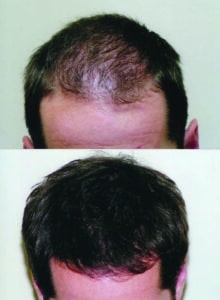
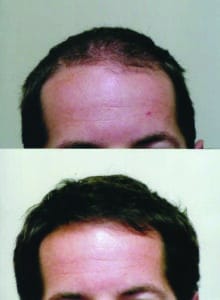
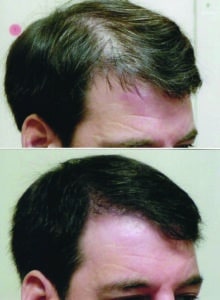
If you're in West Palm Beach and dealing with pain from sports injuries or chronic conditions, it's time to consider stem cell and exosome therapy. These therapies offer effective, non-invasive treatments to target pain and address the root causes of common injuries, offering a solution that goes beyond traditional treatments.
Residents of West Palm Beach often experience faster recovery, fewer surgeries, and a reduced need for pain medications with these treatments. By focusing on the underlying cause of discomfort, stem cell and exosome therapies promote true healing, not just symptom relief.
Are you ready to reduce chronic pain, restore mobility, and return to your normal activities in West Palm Beach? Schedule a consultation today to learn how stem cell and exosome therapy can help you regain your active lifestyle and improve your quality of life.
