
The most effective approach to long-term pain relief is to address the cause rather than masking symptoms. Stem cell therapy achieves this by harnessing the body’s natural regenerative potential. These undifferentiated cells can repair damaged tissue and reduce persistent pain, supporting overall health and wellness in a way traditional treatments often cannot.
Stem cells are naturally drawn to areas of injury or dysfunction. Upon reaching the target site, they differentiate into new cells that regenerate tissue and restore function. This process helps reduce inflammation, strengthen weakened areas, and improve overall mobility and comfort.
In addition to regenerating tissue directly, stem cells stimulate the body’s own repair mechanisms. By guiding natural stem cells to the site of injury, they work collaboratively to create new tissue, repair damage, and restore functionality. This approach not only relieves pain but also supports long-term recovery and improved quality of life.
Stem cell therapy is a documented solution for addressing pain caused by neuropathic disorders, musculoskeletal conditions, osteoarthritis, discogenic back issues, and tendon and ligament challenges. In Wellington, patients experiencing ongoing severe pain, particularly when physical therapy has been insufficient, may find that stem cell therapy can target the underlying source of discomfort.
This therapy promotes regenerative healing by repairing damaged tissue, reducing inflammation, and supporting connective tissue strength. For Wellington patients, this approach offers a long-term strategy to improve functionality and alleviate chronic discomfort.
Osteoarthritis is characterised by the gradual deterioration of cartilage and bone, which causes joint stiffness, swelling, pain, and reduced movement. Stem cell therapy addresses this degeneration by regenerating cartilage, preventing bones from scraping against each other, and alleviating the discomfort associated with worn joint surfaces.
The connective tissues of tendons and ligaments play an essential role in attaching muscles to bones and stabilising joints. Damage from sudden trauma or long-term wear can lead to inflammation, swelling, and chronic pain. Stem cell and exosome therapies can repair and reinforce injured tendons and ligaments, restoring strength and flexibility while reducing pain naturally.

Muscle pain arises frequently from injury or repeated strain, and it can interfere with daily activity. By injecting stem cells or exosomes into the affected area, the body’s natural repair processes are activated. This supports tissue regeneration, diminishes inflammation, and alleviates pain, helping muscles recover faster and regain function.
Spinal conditions such as herniated discs, degenerative disc disease, arthritis, or facet joint issues often result in persistent back pain. Stem cell and exosome therapy stimulates repair of the affected tissue, decreases inflammation, and addresses structural problems that contribute to discomfort, offering patients a chance to regain spinal health and reduce pain.
Plantar fasciitis is an extremely common and painful foot condition, often centred in the heel. Overuse can inflame the plantar fascia, causing burning or stabbing sensations. Stem cell therapy offers an effective, non-invasive treatment option, reducing inflammation, improving tissue integrity, and helping patients regain mobility while decreasing discomfort.

Our regenerative therapies are designed to provide comprehensive support for managing pain that arises from injuries, inflammation, ongoing wear and tear, or other dysfunctions in the body. They target the root cause of pain rather than merely masking symptoms.
The bioactive molecules in stem cells and exosomes are known to reduce inflammation effectively. Since inflammation is a major contributor to ongoing discomfort, these treatments help calm the affected areas, enabling patients to regain comfort and function more quickly.
Stem cell and exosome therapy supports the body’s ability to regenerate tissue by differentiating into the specific cell types needed to repair damage. Whether it is muscle, tendon, or cartilage that has been compromised, these therapies rebuild tissue, improve mobility, and restore strength.
Stem cells also help modulate the nervous system by addressing nerve injury and hypersensitivity. This can disrupt the pathways that transmit pain signals, reducing chronic discomfort and improving overall physical function.


Countless golf enthusiasts have chosen stem cell and exosome therapy to treat injuries resulting from the repetitive motions and physical demands of the game, focusing on restoring tissue health and alleviating discomfort.
These include:

Many golf injuries affect the lower back because swinging the club places stress on muscles and ligaments in this area.
Golfer’s elbow arises when repeated wrist movements damage the tendons in the inner elbow, causing pain and inflammation.
Shoulder issues such as rotator cuff tendonitis and bursitis are common in golfers, often linked to improper swing mechanics or overuse.
Wrist tendonitis results from repeated motion, leading to inflammation and discomfort that can limit movement.

Many tennis-related injuries can benefit from innovative treatments aimed at reducing pain and restoring both movement and functionality in the following cases:
Sprains of the ankle are one of the most common injuries in tennis and other sports. They occur when the ankle twists in an unexpected way, damaging the surrounding ligaments. Stem cell therapy can be used to reduce swelling, alleviate pain, and promote faster healing to restore the ankle’s normal range of motion.
Lateral epicondylitis, commonly referred to as tennis elbow, occurs from repetitive movements that strain the tendons of the elbow and forearm. This condition can result in pain, weakness, and difficulty with gripping activities. Regenerative therapies like stem cells and exosomes can repair tendon tissue and ease discomfort.
Injuries to the rotator cuff, whether from a sudden incident or ongoing wear, can lead to persistent shoulder pain and limited arm function. Stem cell therapies target tissue repair, helping to reduce inflammation and restore mobility and strength to the affected shoulder.
Tears in knee ligaments such as the ACL, MCL, or PCL can be severe, producing considerable pain and limiting movement. Stem cell therapy may accelerate the healing process, reduce pain, and promote the regeneration of ligament tissue for improved knee stability.
Jumper’s Knee, or patellar tendonitis, arises from repetitive strain on the tendon connecting the kneecap to the shin. This condition often causes pain during activity. Stem cell therapy can aid in tissue regeneration, reduce inflammation, and restore normal knee function.

With more individuals enjoying this sport, injuries among both amateur and professional players have become more common. Stem cell therapy can treat the root cause of these injuries and support tissue repair.
This common injury, also called lateral epicondylitis, is caused by repetitive wrist and arm movements that inflame tendons connecting muscle to bone. Stem cell therapy can repair the damaged tissue and relieve persistent pain.
In pickleball, sudden twists or awkward landings can easily cause an ankle sprain. Stem cell therapy can promote healing, reduce inflammation, and restore mobility and strength to the affected joint.
Inflammation of the Achilles tendon is a frequent issue for those new to pickleball. Stem cell therapy can reduce swelling, repair tendon tissue, and relieve pain to improve ankle and calf function.
Repeated movements during pickleball can produce wrist discomfort, inflammation, and stiffness, limiting flexibility and motion. Regenerative therapies can repair tissue and restore normal wrist function.
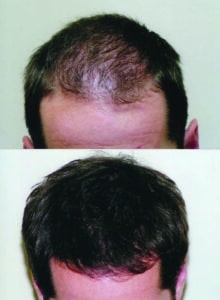
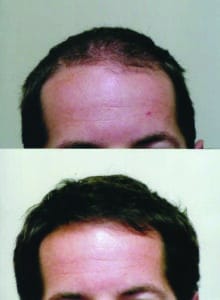
If you are in Wellington and suffering from pain caused by sports injuries or chronic conditions, stem cell and exosome therapy may provide the relief you need. These practical, non-invasive treatments are designed to manage pain effectively while treating the symptoms of common injuries.
Patients in Wellington often experience faster recovery, avoid surgery when possible, and reduce their reliance on pain medications. Stem cell and exosome therapies focus on healing the root of the problem to promote long-lasting relief rather than temporary fixes.
If you want to restore mobility, reduce discomfort, and return to your usual activities in Wellington, schedule a consultation today. Learn how stem cell and exosome therapy can help you regain your active lifestyle and improve your overall wellbeing.
