

Tackling the true source of pain is still the most thorough and reliable way to achieve lasting relief. Stem cell therapy can support this goal by using undifferentiated cells with an exceptional ability to repair and regenerate damaged tissues throughout the body. When treatment is directed toward areas of ongoing discomfort, these cells can ease pain that many conventional methods struggle to resolve or only temporarily mask.
After being introduced into the body, stem cells are naturally drawn to regions that require healing and recovery. Once they reach these areas, they develop into the specific types of cells needed to rebuild and restore tissue integrity. This continuous regeneration helps reduce discomfort and also improves overall function, so patients can return to their usual activities with fewer limitations and greater confidence.
Beyond directly replacing and regenerating damaged tissue, stem cell injections can also stimulate the body’s own stem cells to move toward injured or weakened areas. As these cells work together, they form new tissue, strengthen compromised structures, and support better movement and stability. This combined effect encourages more complete healing and helps patients experience longer lasting relief from chronic pain.
Stem cell therapy has shown documented effectiveness in addressing pain associated with neuropathic, musculoskeletal, osteoarthritic, discogenic back, and tendon or ligament conditions. If you are dealing with any of these issues, struggling with ongoing or severe discomfort, and finding that physical therapy has not provided enough improvement, stem cell therapy may help target the underlying cause and offer meaningful pain relief.
Osteoarthritis is a long-term joint condition in which cartilage and surrounding bone slowly break down, leading to stiffness, swelling, and daily discomfort. Stem cell therapy may help rebuild cartilage and restore the soft cushion between bones, reducing the grinding sensation that occurs when this tissue is worn away. By working at the level of joint damage, this approach supports better movement and more lasting comfort.
Tendons and ligaments connect muscles and bones, helping joints stay stable and move smoothly. When they are overstretched, torn, or strained over time, these tissues can become painful, inflamed, and weak. Stem cell and exosome therapy can support repair of partially damaged tendons and ligaments, reinforcing the tissue, easing pain, and encouraging the body’s natural healing response.

Muscle pain often develops after overuse, sudden strain, or direct injury. Targeted stem cell and exosome injections can be placed into the affected muscle to activate the body’s repair processes. By supporting new tissue growth, calming inflammation, and focusing on the source of discomfort, these therapies may relieve pain and help muscles work more efficiently than short-term pain relievers alone.
Chronic back pain often stems from spinal problems such as degenerative disc changes, herniated discs, arthritis, or irritation in the facet joints. Many people find that standard therapies offer only limited relief. Stem cell and exosome injections can support tissue repair, calm inflammation, and focus on the structural changes causing discomfort, helping improve spinal function and ease long lasting pain.
Plantar fasciitis is a painful heel condition that develops when the plantar fascia, the band of tissue connecting the toes to the heel bone, becomes overused and irritated. Inflammation in this area can cause sharp or burning pain that makes walking and daily movement difficult. Stem cell therapy is a non-invasive option that may help reduce inflammation, restore healthier tissue, and improve mobility, offering relief without surgery.

These regenerative treatments offer a wide range of functional benefits aimed at relieving pain that results from injury, inflammation, ongoing strain, and other types of tissue damage. By focusing on the true source of discomfort, stem cell and exosome therapies can deliver more complete relief than many standard treatment options.
The bioactive components within stem cells and exosomes can help lower inflammation in irritated tissues. Because inflammation often drives chronic pain and lingering soreness, these therapies work to calm affected areas, support the healing process, and enhance overall comfort.
Stem cells and exosomes are capable of becoming the specific types of cells needed to repair injured tissue. In muscles, tendons, or cartilage, these treatments can help rebuild damaged structures, restore normal function, and support better strength and movement.
Stem cell based therapies can also interact with the nervous system by helping repair damaged nerves and decreasing excessive sensitivity. By interrupting pain signaling pathways, they can ease discomfort at its origin and contribute to longer lasting relief from ongoing pain.


Many golfers now choose stem cell and exosome therapy to help repair injuries sustained on the course, looking for a solution that addresses the true source of pain and encourages a quicker recovery.
These include:

More than half of golf related injuries involve the lower back, where the twisting and bending of the golf swing can strain muscles and spinal structures.
Golfer’s elbow, or medial epicondylitis, develops when elbow tendons become irritated from repeated wrist flexion and gripping of the club.
Rotator cuff tendonitis and bursitis are frequent sources of shoulder pain in golfers, often triggered by repetitive swinging or poor swing mechanics.
Wrist tendonitis in golfers commonly results from overuse, leading to inflammation, weakness, and pain during or after play.

Common tennis injuries can be addressed with regenerative therapies designed to relieve pain and restore mobility and function for the following conditions:
A sprained ankle is one of the most frequent sports injuries, and tennis often increases the risk for players of every skill level. It occurs when the ankle rolls or twists, stretching or tearing the ligaments that support the joint. Stem cell therapy can help reduce pain, limit swelling, and speed healing so the ankle can regain strength, stability, and full range of motion.
Tennis elbow, or lateral epicondylitis, develops when the tendons in the outer elbow are overworked by repeated use of the forearm muscles. This can cause aching or sharp pain that radiates into the forearm and makes gripping difficult. Stem cell or exosome treatments can promote tendon repair, calm inflammation, and ease ongoing discomfort.
Rotator cuff injuries may come on slowly from repetitive use or occur suddenly after a powerful movement. These injuries often cause shoulder pain that makes lifting, reaching, or serving difficult. Regenerative therapies, including stem cell or exosome injections, can help repair damaged tissue, reduce inflammation, and support better strength and shoulder motion.
Tears of the ACL, MCL, or PCL in the knee can cause severe pain, swelling, and instability, often sidelining athletes for extended periods. Stem cell therapy can support faster healing, ease discomfort, and promote regeneration of damaged ligament fibers, helping restore stability and improve confidence in movement.
Patellar tendonitis, or Jumper’s Knee, results from repeated stress on the tendon that connects the kneecap to the shinbone. This overuse injury can lead to pain at the front of the knee, especially during jumping, running, or quick stops. Stem cell therapy can stimulate tendon repair, reduce inflammation, and help return the knee to more normal function.

As pickleball continues to grow in popularity, injuries are becoming more common among both recreational players and competitive athletes. Stem cell therapy can target the root cause of these injuries while supporting the repair of damaged tissue.
This condition develops when repeated swinging and paddle control in pickleball put stress on the tendons that attach muscle to bone, leading to pain and irritation. Stem cell therapy can help repair damaged tendon fibers, lessen inflammation, and restore comfortable arm function.
Quick side steps, lunges, and sudden stops in pickleball can twist the ankle and overstretch supporting ligaments. Regenerative therapy can promote ligament healing, ease pain, and help the ankle regain strength and stability.
Beginners and active players may develop Achilles tendinitis as repeated running and pushing off the court surface strain the tendon. Stem cell therapy can support tendon repair, reduce soreness, and improve overall calf and ankle mobility.
Frequent paddle swings and rapid reactions can cause wrist pain, stiffness, and reduced motion over time. Stem cell treatments can enhance tissue repair and help bring back smoother, more comfortable wrist movement.
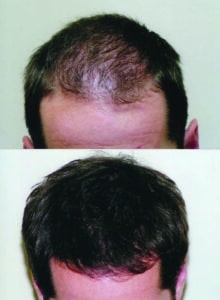
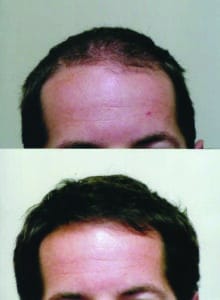
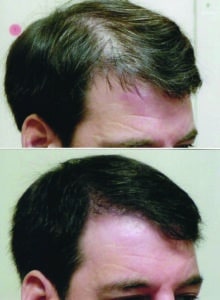
If you are living in Palm Springs and dealing with pain from sports injuries or ongoing health conditions, this may be the right time to consider stem cell and exosome therapy. These advanced treatments offer non-invasive options designed to reduce pain and help address the underlying causes of many common injuries without relying on harsh medications or aggressive procedures.
Patients in Palm Springs often experience quicker recovery, a lower chance of needing surgery, and a reduced dependence on long term pain relief medications. Because these therapies work directly at the source of discomfort, they support true healing rather than temporarily hiding symptoms, helping your body repair itself more effectively.
If you are ready to increase mobility, ease chronic pain, and return to your favorite activities in Palm Springs, scheduling a consultation could be your next step. Discover how stem cell and exosome therapy may restore your active lifestyle and enhance your overall health and well being.
