
Focusing on the root cause of pain is the most reliable method for achieving lasting freedom from discomfort. Stem cells can make a profound difference in this process, as their regenerative capabilities allow them to repair damaged tissues and address symptoms that have persisted despite other treatments. They provide a natural, biological approach to healing that targets the source of the problem rather than just the symptoms.
Stem cells have the ability to home in on areas that require repair or relief. Upon arrival, they differentiate into the necessary cell types to regenerate tissue, supporting increased mobility and reducing pain. This targeted regeneration helps restore functionality and allows patients to regain strength and ease of movement.
Moreover, stem cell therapy encourages the body’s own regenerative mechanisms. The injected stem cells recruit natural stem cells to the affected region, combining efforts to create new tissue and repair damage. This coordinated process enhances recovery and provides a long-lasting improvement in comfort and overall function.
Stem cell therapy has proven effective for pain caused by neuropathic issues, musculoskeletal disorders, osteoarthritis, discogenic back conditions, and tendon or ligament health challenges. In Palm Beach Gardens, patients experiencing severe pain who have not achieved relief through physical therapy alone may benefit from stem cell therapy, which targets the underlying cause of discomfort.
This regenerative treatment works to address the source of pain by promoting tissue repair and reducing inflammation. For Palm Beach Gardens patients, this means a more comprehensive solution than traditional therapies that may only provide temporary relief.
Osteoarthritis leads to a slow degeneration of cartilage and bone, resulting in joint stiffness, swelling, pain, and reduced range of motion. Stem cell therapy can restore cartilage and reduce the friction between bones, addressing the root cause of the pain. Patients often experience improved joint function and enhanced comfort, allowing them to perform daily tasks with less limitation.
Tendons and ligaments connect muscles to bones and stabilize joints, but injuries from trauma or cumulative wear and tear can compromise their function. Pain, swelling, and inflammation are common consequences. Stem cell and exosome therapies work to repair and strengthen damaged connective tissues, promoting natural healing and helping restore mobility while alleviating discomfort.

Muscle pain often results from overuse, minor injuries, or repetitive strain. Stem cell and exosome treatments can be administered directly to the affected muscles to encourage tissue repair. By activating the body’s natural regenerative processes, these therapies help reduce inflammation, relieve pain, and improve overall muscle performance, supporting a quicker and more effective recovery.
Conditions such as herniated discs, spinal arthritis, degenerative disc disease, and facet joint inflammation can all contribute to chronic back pain. Stem cell and exosome injections offer a regenerative approach that promotes tissue repair, reduces inflammation, and addresses the underlying structural issues. This can improve spinal function and provide relief when other treatments fail to deliver long-term results.
Plantar fasciitis is a common source of heel pain caused by overuse or strain of the plantar fascia. This condition can produce sharp, burning sensations along the heel and make walking or standing uncomfortable. Stem cell therapy offers a non-invasive method to reduce inflammation, promote tissue regeneration, and restore mobility, allowing patients to return to their normal routines with less discomfort.

Stem cell and exosome therapies offer patients a targeted approach to managing pain caused by injuries, inflammation, natural wear and tear, or tissue dysfunction. These regenerative treatments work directly with the body’s own healing processes to provide relief and restore function.
The molecules present in stem cells and exosomes have strong anti-inflammatory properties. By reducing inflammation, they help address one of the main sources of chronic pain and improve mobility while supporting the body’s natural healing response.
Stem cells and exosomes have the unique ability to recognize and convert into the specific types of cells required to repair damaged tissues. Whether the injury affects muscles, tendons, or cartilage, these therapies promote tissue regeneration, restoring structure, function, and overall comfort.
In addition to tissue repair, stem cells can disrupt the nervous system signals responsible for pain. By repairing nerve damage and diminishing hypersensitivity, these therapies help break the cycle of chronic discomfort and provide long-lasting relief.
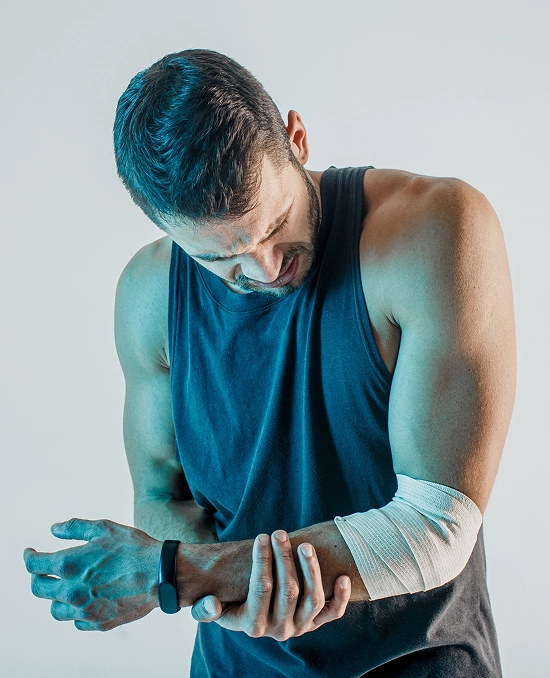

A number of patients have pursued stem cell and exosome treatments to heal injuries acquired on the golf course, aiming to reduce pain, improve mobility, and get back to their active lifestyle.
These include:

Lower back injuries make up a significant portion of golf injuries, usually caused by the rotation and bending required in a swing.
Medial epicondylitis, commonly called golfer’s elbow, develops when repeated wrist motions strain the tendons in the elbow.
Shoulder pain in golfers is often due to rotator cuff tendonitis or bursitis, which can result from repetitive swings or poor technique.
Repetitive use of the wrist can lead to tendonitis, causing inflammation and soreness that affects performance.

Injuries often sustained while playing tennis may be treated with advanced therapies that target pain and help regain mobility and proper function for these areas:
Ankle sprains are common in many sports, with tennis contributing significantly to their prevalence. These injuries happen when sudden twists or uneven steps stretch or tear the ligaments surrounding the ankle. Stem cell therapy can help decrease pain, minimize swelling, and support faster recovery, allowing the ankle to regain full functionality.
Tennis elbow, also called lateral epicondylitis, arises from repeated use of the forearm muscles, producing pain along the elbow and forearm. Over time, this can impact strength and daily activities. Regenerative treatments, including stem cells and exosomes, may aid in repairing tendon damage and reducing inflammation to restore normal function.
Rotator cuff injuries can result from acute trauma or gradual degeneration of the shoulder muscles and tendons. These injuries are often painful and can limit the ability to lift or rotate the arm. Stem cell therapies support healing of damaged tissue, reduce inflammation, and improve shoulder function over time.
Ligament tears in the knee, such as ACL, MCL, or PCL injuries, can be extremely painful and require significant downtime for recovery. Stem cell therapy offers a way to accelerate healing, provide pain relief, and promote tissue regeneration, helping patients regain stability and return to physical activity safely.
Patellar tendonitis, commonly called Jumper’s Knee, occurs when repeated stress on the patellar tendon inflames the tissue connecting the kneecap to the shinbone. Stem cell therapy can support healing, reduce inflammation, and restore mobility, helping patients resume activity without discomfort.

The rise in popularity of this sport has led to a wider variety of injuries among those who participate regularly. Stem cell therapy can focus on the source of the problem and work to restore the damaged area.
Pickleball elbow is caused by repeated strain on the tendons connecting muscle to bone, often resulting in significant pain. Stem cell therapy can reduce inflammation and help repair damaged tissue to restore arm function.
The sudden movements, jumps, and pivots common in pickleball can sometimes lead to ankle sprains. Targeted regenerative therapy can support ligament healing, reduce pain, and improve stability.
First-time or new players often develop Achilles tendon inflammation, causing pain at the connection between the heel and calf. Stem cell therapy can assist with tissue repair and reduce discomfort.
Repetitive wrist use during play can lead to pain, stiffness, inflammation, and restricted movement. Stem cell treatments promote tissue repair, helping restore range of motion and function.
If you live in Palm Beach Gardens and are dealing with persistent pain or sports-related injuries, stem cell and exosome therapy may be the solution you’ve been looking for. These non-invasive treatments are designed to treat the symptoms of common injuries while managing pain at its source.
For residents of Palm Beach Gardens, these therapies often reduce recovery times, minimize the need for surgical procedures, and decrease reliance on prescription pain medications. By addressing the underlying cause of pain, stem cell and exosome therapies support long-term healing.
Take the first step toward returning to your normal activities and regaining comfort in Palm Beach Gardens by scheduling a consultation today. Discover how these treatments can help you enjoy an active, pain-free lifestyle once again.
