
Treating pain at its origin remains the most effective way to create lasting and meaningful relief. Stem cell therapy can be an important part of this process because undifferentiated stem cells have the unique capacity to repair, restore, and regenerate damaged tissues throughout the body. By focusing on regions of ongoing discomfort, these cells can offer pain reduction in situations where traditional methods often fall short.
Once administered, stem cells move toward tissues that are inflamed, injured, or weakened. When they arrive at the target area, they mature into the specific cell types required to rebuild bone, cartilage, muscle, or other structures. This tissue repair reduces pain and stiffness while also improving the way joints and muscles function, giving patients the ability to handle daily tasks with more comfort and less strain.
Stem cell therapy also has the added benefit of signaling the body’s own native stem cells to migrate toward the damaged region. Working in partnership, these cells create new tissue, reinforce weakened areas, and restore balance to the surrounding structures. This dual mechanism of direct regeneration and biological stimulation helps promote more thorough healing and supports long lasting relief from persistent pain.
There is growing evidence that stem cell therapy can improve pain related to neuropathic disorders, musculoskeletal injuries, osteoarthritis, discogenic back problems, and chronic tendon or ligament damage. For individuals living with these conditions who continue to experience severe or persistent pain despite physical therapy, stem cell therapy may be an option that addresses the root issue and supports reduced discomfort.
In osteoarthritis, protective cartilage inside the joint gradually wears away, and the underlying bone can become irritated, causing pain, stiffness, and reduced flexibility. Stem cell therapy aims to support new cartilage growth and restore a smooth buffer between bones, which can lessen the sharp discomfort of bone-on-bone contact. This regenerative method focuses on the cause of joint degeneration to maintain mobility and ease.
Tendons and ligaments play a key role in stabilizing joints and transferring force from muscles to bones. Injury or chronic overuse can leave these tissues irritated, swollen, and structurally compromised. With stem cell and exosome therapy, partially torn or weakened tendons and ligaments may receive added support for repair, helping to rebuild strength, reduce pain, and assist natural recovery.

Muscle soreness can stem from repetitive motion, heavy activity, or sudden trauma. Injecting stem cells and exosomes directly into the problem area can help trigger the body’s built-in repair system. By encouraging tissue renewal, easing inflammation, and addressing the source of pain, these therapies can improve muscle comfort and function more effectively than surface-level solutions.
Long term back pain can be linked to several spinal issues, including worn discs, disc herniation, arthritic changes, and inflamed facet joints. These conditions often do not respond fully to conventional approaches. Stem cell and exosome therapies can support regeneration of spinal tissues, lower inflammation, and address the underlying structural problems, creating an opportunity for better spine function and reduced ongoing pain.
Plantar fasciitis affects the heel when the plantar fascia that runs from the toes to the heel bone becomes strained and inflamed from repeated stress. This can lead to stabbing or burning pain that limits standing, walking, and exercise. With stem cell therapy, inflammation may be reduced and tissue quality improved through a non-invasive method, helping restore comfort and movement without relying on surgical procedures.

These modern therapies are designed to improve function and reduce pain linked to trauma, inflammation, chronic overuse, and various forms of tissue breakdown. By working directly on the root causes of discomfort, stem cell and exosome treatments often provide broader and more lasting relief than conventional care.
Within stem cells and exosomes are bioactive molecules that have been shown to help quiet inflammation. Since inflamed tissues are a major source of ongoing pain, these therapies assist in soothing irritated areas, promoting recovery, and improving day to day comfort.
These regenerative products can transform into the cell types needed in a specific area, whether that involves muscle fibers, tendon tissue, or cartilage. By supporting true tissue repair, they help restore function, improve stability, and enhance mobility.
Stem cell therapy may also support nerve health by helping regulate overactive or damaged nerve fibers. This can interfere with the pathways that constantly send pain signals, reducing discomfort at the source and supporting meaningful, long term relief.
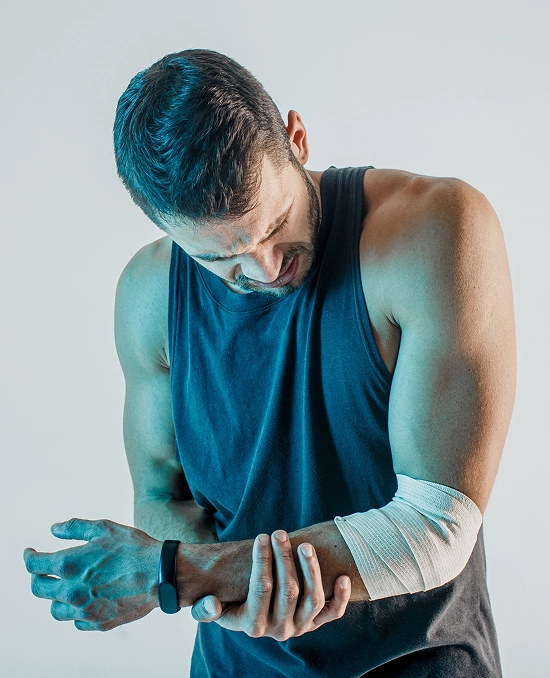

A growing number of people with golf related injuries are turning to stem cell and exosome therapy, seeking treatment that targets the underlying cause of their pain while promoting faster healing.
These include:

The majority of golf related injuries affect the lower back because the rotational force of the swing places significant stress on the spine.
Golfer’s elbow occurs when the inner elbow tendons are overloaded by repeated wrist and forearm motions during gripping and swinging.
Shoulder discomfort in golfers often stems from rotator cuff tendonitis or bursitis brought on by repetitive overhead motion and faulty technique.
Tendonitis in the wrist is frequently linked to repetitive swings, causing irritation, swelling, and pain that can limit grip strength.

Common tennis injuries can be addressed with regenerative therapies designed to relieve pain and restore mobility and function for the following conditions:
Sprained ankles are very common in tennis because quick changes in direction can cause the foot to roll, stretching or tearing the ankle ligaments. This often leads to swelling, bruising, and difficulty bearing weight. Stem cell therapy can help control inflammation, support ligament healing, and restore ankle movement so players can return to the court sooner.
Tennis elbow, known medically as lateral epicondylitis, arises from repetitive gripping and wrist motions that strain the tendon attachments at the outside of the elbow. Pain may radiate down the forearm and weaken grip strength. Stem cell or exosome treatments can enhance tissue repair, decrease inflammatory responses, and provide lasting relief.
Rotator cuff problems can come from gradual wear or an abrupt overhead motion such as a hard serve. These injuries typically cause pain when raising the arm or sleeping on the affected side. Regenerative therapies, including stem cell or exosome injections, can help restore tendon health, reduce pain, and improve shoulder flexibility.
Injuries to the ACL, MCL, or PCL can occur during sudden stops, pivots, or awkward landings, leading to sharp pain and knee instability. Stem cell therapy may assist the healing process by supporting new ligament tissue growth, easing pain, and improving joint stability so return to play is safer.
Patellar tendonitis, or Jumper’s Knee, is caused by repeated loading of the patellar tendon during jumping and running. It often presents as pain just below the kneecap that worsens with activity. Stem cell therapy can help repair microscopic tendon damage, reduce inflammation, and support smoother, more comfortable knee motion.

With more people discovering pickleball, there has been a noticeable rise in injuries for beginners and seasoned players alike. Stem cell therapy offers a way to address the underlying damage and promote healing within injured tissues.
Pickleball elbow occurs when the repeated motions of hitting and controlling the paddle overload the elbow tendons, resulting in tenderness and swelling. Stem cell therapy may help restore tendon health, reduce pain, and improve strength in the forearm and elbow.
During matches, a misstep, slip, or awkward landing can cause the ankle to roll, stretching or tearing ligaments. Regenerative therapy can help rebuild these ligaments, calm inflammation, and support a steady, reliable ankle joint.
The sudden bursts of speed and frequent starts and stops required in pickleball can irritate the Achilles tendon. Stem cell therapy can speed up tendon healing, reduce inflammation, and allow players to move more freely and comfortably.
Over time, repetitive strokes can strain the wrist joint and surrounding tissues, causing discomfort and stiffness. Stem cell treatments can help mend irritated tissues, lessen pain, and restore more natural wrist flexibility.
If you live in North Palm Beach and are struggling with lingering pain from sports injuries or chronic conditions, stem cell and exosome therapy may offer the relief you have been searching for. These regenerative treatments provide non-invasive solutions that help ease pain and support the natural healing of injured or inflamed tissues.
Many patients in North Palm Beach report faster recovery times, fewer surgical procedures, and a decreased need for pain medications after beginning regenerative care. By addressing the root cause of discomfort, these therapies promote real healing and help restore the body’s optimal function instead of masking symptoms temporarily.
If you want to regain movement, reduce chronic pain, and return to a more active routine in North Palm Beach, consider scheduling a consultation today. Stem cell and exosome therapy may help you reclaim your lifestyle and improve your overall quality of life.
