
For patients seeking lasting relief, treating the true cause of pain is far more effective than relying only on temporary symptom control. Stem cell therapy supports this approach by using undifferentiated cells that have the remarkable capacity to repair and regenerate injured or deteriorating tissue throughout the body. By concentrating on regions of persistent pain, stem cells can provide meaningful relief where many traditional therapies fall short.
Once administered, stem cells are guided by the body’s signals to areas that require healing and restoration. When they arrive in these regions, they develop into the particular types of cells necessary to rebuild and strengthen the damaged tissues. This regenerative process reduces pain and stiffness while enhancing functionality, allowing patients to move, work, and exercise with fewer limitations.
Another advantage of stem cell injections is their ability to stimulate the movement of the body’s own stem cells toward the affected area. These cells then join the repair process, helping to generate new tissue, restore damaged structures, and support better overall movement patterns. This combined, two part healing response encourages more complete recovery and supports long term relief from ongoing pain.
Stem cell therapy continues to demonstrate measurable success in treating pain caused by neuropathic conditions, musculoskeletal dysfunction, osteoarthritis, discogenic back disorders, and tendon or ligament damage. When these issues lead to severe or persistent pain and physical therapy has not produced the desired results, stem cell therapy may help by targeting the source of the discomfort and improving overall pain levels.
Osteoarthritis is a progressive joint condition where cartilage and bone slowly break down, leading to joint soreness, stiffness, and reduced range of motion. Stem cell therapy may contribute to cartilage regeneration and help restore the soft layer that protects bones during movement. By addressing the tissues at the source of decline, this method supports long-term joint health and more comfortable activity.
Tendons and ligaments connect the musculoskeletal system, ensuring joints stay steady as you move. When they are injured by a fall, twist, or overuse, they can become painful and lose strength. Stem cell and exosome therapy can help support healing of these partially torn structures, reinforcing the connective tissue, easing pain, and promoting a more complete repair response.

Muscle pain often follows repetitive motion, lifting, or an acute strain. Stem cell and exosome injections can be placed right where the muscle is injured to stimulate cellular repair. By supporting regeneration, calming irritation, and improving the underlying tissue quality, these therapies can help restore muscle function and provide more durable relief than quick-fix options.
Chronic back symptoms frequently result from spinal problems such as degenerating discs, slipped or herniated discs, arthritis of the spine, or inflammation around the facet joints. These conditions can be resistant to typical treatment methods. Stem cell and exosome injections may help repair damaged spinal tissues, quiet inflammation, and address the structural sources of pain, giving patients a chance for better spinal function and less daily discomfort.
Plantar fasciitis is characterized by heel pain that arises when the plantar fascia, which stretches from the heel bone to the toes, is repeatedly stressed and becomes inflamed. This often leads to sharp pain that is most noticeable when walking or standing. Stem cell therapy is a non invasive approach that may support tissue healing, lower inflammation, and improve mobility, providing another avenue of relief aside from surgery.

These biologic therapies provide targeted functional benefits for pain that stems from acute injury, chronic inflammation, repeated overuse, and damaged or weakened tissue. By correcting the underlying source of discomfort, stem cell and exosome treatments can achieve a more comprehensive result than typical pain management strategies.
Stem cells and exosomes contain natural compounds that can help manage inflammation in areas of injury or irritation. Since inflamed tissues commonly cause chronic pain, their anti-inflammatory effect supports the healing environment and improves overall comfort for patients.
These therapies offer regenerative potential by supplying cells that can mature into muscle, tendon, or cartilage cells, depending on what is needed. This helps replace damaged tissue, restore proper function, and increase strength and flexibility in the affected region.
Stem cell approaches may also help normalize nerve activity in painful areas. By addressing nerve irritation and oversensitivity, they interfere with the ongoing signals that communicate pain, providing deeper relief than therapies that only mask symptoms.

Many people who experience injuries on the golf course are now relying on stem cell and exosome therapy, attracted by its ability to address the source of pain and promote more rapid healing.
These include:

More than half of injuries in golf involve the lower back, where repeated rotation and bending during the swing can create painful strain.
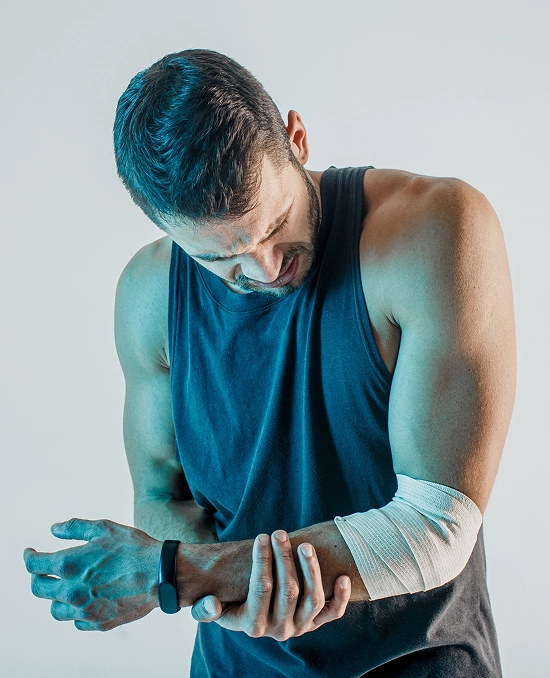
Medial epicondylitis, or golfer’s elbow, is tied to repeated stress on the elbow tendons from gripping the club and snapping the wrist.
Golfers commonly report shoulder pain due to rotator cuff tendonitis or bursitis, conditions linked to overuse and faulty swing patterns.
When the wrist is overworked, its tendons can become inflamed, leading to tendonitis that causes tenderness and discomfort with each shot.

Common tennis injuries can be addressed with regenerative therapies designed to relieve pain and restore mobility and function for the following conditions:
A sprained ankle in tennis usually happens when landing on an uneven surface or misstepping after a shot, causing the ligaments to stretch beyond their normal range. Players may notice swelling, bruising, and difficulty bearing weight. Stem cell therapy can help minimize inflammation, support tissue repair, and restore ankle strength and flexibility.
Tennis elbow, or lateral epicondylitis, involves irritation of the tendons on the outer side of the elbow due to repeated gripping and racquet swings. Pain can be triggered by lifting, twisting, or shaking hands. Stem cell or exosome therapies can promote healing of the tendon, reduce pain signals, and improve overall arm function.
Repeated serving and overhead strokes may strain the rotator cuff tendons, eventually leading to tears or inflammation. This often produces shoulder pain, weakness, and difficulty completing a full swing. Regenerative injections with stem cells or exosomes can aid tissue repair, control inflammation, and support better shoulder performance.
Tears of the ACL, MCL, or PCL are serious knee injuries often linked to abrupt direction changes or awkward landings in tennis. They can cause immediate pain and instability in the joint. Stem cell therapy can help facilitate ligament healing, decrease pain, and improve joint stability to support a safer return to sport.
Patellar tendonitis, or Jumper’s Knee, commonly affects athletes who perform frequent jumps and rapid starts or stops. Pain is usually located just below the kneecap and worsens with activity. Stem cell therapy can help repair small tendon injuries, reduce inflammation, and improve knee comfort and function.

With pickleball attracting players of all ages, injuries to joints, tendons, and muscles have become more frequent. Stem cell therapy can address the core issues behind these injuries and help restore damaged tissue.
In pickleball elbow, the tendons that attach to the elbow become overloaded from repeated strokes and gripping the paddle, creating pain and sensitivity. Stem cell therapy can help regenerate tendon tissue, reduce inflammation, and restore normal function.
Ankle sprains happen when quick shifts in direction or uneven landings stretch ligaments beyond their limits. Regenerative therapy can help ligaments heal more fully, decrease pain, and bring the ankle back to a stable, supportive state.
Overuse of the lower leg during frequent games can irritate the Achilles tendon, leading to persistent soreness. Stem cell therapy can promote tendon repair, ease inflammation, and enhance mobility for walking, running, and jumping.
Wrist strain from repeated swings and quick reactions may cause pain, stiffness, and reduced flexibility over time. Stem cell treatments can stimulate healing in the affected tissues and help restore a comfortable range of motion.
If you live in Hialeah and are struggling with pain caused by injuries or chronic conditions, stem cell and exosome therapy may provide the relief you have been missing. These regenerative, non-invasive treatments work to reduce pain while supporting the natural restoration of damaged tissue.
Patients in Hialeah often notice faster recovery, fewer surgical needs, and a decreased dependency on pain medications when choosing regenerative therapy. Rather than simply covering up symptoms, these treatments focus on repairing the underlying causes of discomfort, helping the body restore itself.
If you want to regain mobility, reduce stubborn pain, and return to your usual activities in Hialeah, now is the ideal time to schedule a consultation. Learn how stem cell and exosome therapy may help enhance your comfort, function, and overall quality of life.



Enjoy the benefits of Hair Restoration and Injury Treatment now and pay later with our flexible payment options .