
Addressing the root cause of pain remains the most effective and comprehensive way to achieve lasting relief. Stem cell therapy plays a transformative role in this process, as these undifferentiated cells have the remarkable ability to regenerate and repair damaged tissue throughout the body. By targeting areas of persistent discomfort, stem cells can help alleviate pain that conventional treatments often struggle to resolve.
When stem cells are injected, they travel directly to areas in need of healing and recovery. Upon reaching their destination, they differentiate into the specific types of cells required to rebuild and restore tissue. This regeneration not only reduces pain but also improves functionality, allowing patients to engage in daily activities with less restriction and greater ease.
In addition to directly regenerating tissue, stem cell injections can encourage the migration of the body’s own stem cells toward the affected areas. Through this collaborative process, these cells help build new tissue, repair damaged structures, and improve overall function. This dual approach leads to more thorough healing and long-term pain relief.
Stem cell therapy has been shown to be effective in treating pain from conditions such as neuropathic, musculoskeletal, osteoarthritic, discogenic back pain, and tendon and ligament issues. If physical therapy hasn’t relieved your severe pain, stem cell therapy targets the root cause, promoting tissue healing and regeneration. This offers long-lasting pain relief for individuals who have not found success with other treatments.
Osteoarthritis is a progressive condition that causes the slow breakdown of cartilage and bone, leading to joint pain, swelling, stiffness, and a decrease in mobility. Stem cell therapy can regenerate damaged cartilage and restore the cushioning between bones, reducing the discomfort caused by bone-on-bone friction when cartilage is depleted. By targeting the core issue of joint deterioration, this regenerative treatment can provide lasting relief and improve long-term mobility and comfort for those suffering from osteoarthritis.
Tendons and ligaments are vital tissues that connect muscles to bones, providing stability and enabling movement. When these tissues are injured, either through sudden trauma or repetitive stress, they can become inflamed and painful. Stem cell and exosome therapy can repair damaged tendons and ligaments, strengthening the connective tissue and reducing pain. This regenerative treatment encourages natural healing, promoting recovery and improving long-term function for those suffering from tendon and ligament injuries.

Muscle pain can be triggered by overuse, strains, or sudden injuries to the muscles. Stem cell and exosome injections can be applied directly to the affected area to stimulate the body’s natural repair processes. These therapies regenerate muscle tissue, reduce inflammation, and target the root cause of pain, offering more effective and lasting relief than temporary solutions like painkillers. This regenerative approach helps improve muscle function and significantly reduces discomfort for long-term benefits.
Chronic back pain is often the result of conditions such as herniated discs, degenerative disc disease, arthritis, and facet joint inflammation. Many individuals struggle to find lasting relief with conventional treatments. Stem cell and exosome injections stimulate tissue repair, reduce inflammation, and address the structural issues causing back discomfort. This regenerative treatment helps improve spinal health and provides long-term pain relief for those dealing with chronic back pain.
Plantar fasciitis is a condition that causes significant pain in the heel due to inflammation of the plantar fascia, the tissue that connects the toes to the heel bone. The inflammation can cause sharp, stabbing pain, especially when walking. Stem cell therapy offers a non-invasive option to reduce inflammation, promote tissue regeneration, and restore the health of the plantar fascia. This treatment provides lasting relief from heel pain, enhancing mobility without the need for surgery.

These therapies are designed to address pain caused by injury, inflammation, and repetitive wear and tear. Stem cell and exosome treatments offer a more effective solution by targeting the source of discomfort, promoting healing, and improving mobility.
The bioactive molecules within stem cells and exosomes are effective at reducing inflammation. Since inflammation is a major contributor to chronic pain, these therapies help calm the affected areas, promoting faster healing and offering long-term relief from discomfort.
Stem cells and exosomes have the ability to differentiate into the necessary cell types to repair damaged tissue, whether it’s in muscles, tendons, or cartilage. These regenerative treatments help restore tissue, improve strength, and enhance mobility, providing a holistic solution for healing.
In addition to tissue repair, stem cells can help address pain by reducing hypersensitivity in the nervous system. By disrupting pain signals, stem cells provide relief from the source of discomfort, offering long-term relief for individuals dealing with chronic pain.


Many golfers choose stem cell and exosome therapy to treat pain from injuries sustained during play. These therapies address the root cause of pain and aid in faster healing, helping athletes return to their game more quickly.
These include:

Lower back pain is one of the most common injuries for golfers, caused by the stress of twisting and bending during the swing, resulting in stiffness and pain that affect mobility.
Golfer’s elbow occurs from repeated wrist movements, leading to stress on the tendons in the elbow, resulting in pain, inflammation, and difficulty with gripping.
Rotator cuff tendonitis and bursitis are common in golfers, often caused by the repetitive motions of swinging, leading to shoulder pain, stiffness, and difficulty raising the arm.
Wrist tendonitis is a common overuse injury in golfers, leading to inflammation, swelling, and pain in the wrist, making it difficult to maintain a consistent swing.

The following common tennis injuries can benefit from regenerative therapies that relieve pain and improve mobility and function:
Ankle sprains are frequent in tennis, occurring when the ankle twists unexpectedly, causing damage to the ligaments. This injury is often caused by quick, forceful movements common in the sport. Stem cell therapy offers a solution to reduce pain, control swelling, and speed healing, helping athletes regain full ankle mobility and function.
Tennis elbow, or lateral epicondylitis, is a result of overuse and repetitive movements that stress the forearm muscles. It leads to pain extending from the elbow to the forearm, affecting grip strength and arm movement. Stem cell or exosome therapies help repair the tendons, reduce inflammation, and alleviate pain, allowing for quicker recovery and improved function.
Injuries to the rotator cuff can result from gradual wear or sudden trauma, causing pain throughout the shoulder and limiting arm movement. Stem cell or exosome therapies can repair damaged tissue, reduce inflammation, and restore strength and flexibility to the shoulder, aiding in faster recovery.
Tears in the ACL, MCL, or PCL ligaments are significant injuries that cause severe pain and require time for healing. Stem cell therapy can accelerate healing, reduce pain, and help regenerate ligament tissue, leading to better stability and a quicker return to physical activity.
Patellar tendonitis, known as Jumper’s Knee, is caused by repetitive strain on the patellar tendon, resulting in pain and limited movement. Stem cell therapy helps repair the tendon, reduce inflammation, and restore knee function, promoting quicker recovery and improved movement.

As pickleball becomes more widely played, the incidence of injuries among participants has increased. Stem cell therapy helps by addressing the root causes of these injuries, supporting the repair of tissue and enabling faster recovery.
This injury occurs when repeated motions in pickleball put excessive strain on the tendons that connect muscles to the bone, leading to pain and swelling. Stem cell therapy helps repair the tendon tissue, reduce inflammation, and restore the elbow's full range of motion.
Sprained ankles are common in pickleball due to the fast, lateral movements that can cause the foot to twist or plant incorrectly. Regenerative therapy accelerates ligament healing, reduces pain, and restores the ankle’s stability and function.
Achilles tendinitis is a common issue for beginner pickleball players, often resulting from overuse and inflammation of the tendon. Stem cell therapy can speed up tendon healing, reduce pain, and enhance mobility, promoting faster recovery and improved function.
Repetitive movements in pickleball can lead to wrist pain, stiffness, and decreased flexibility. Stem cell treatments help repair tissue, ease discomfort, and restore normal wrist movement, ensuring players regain full flexibility and improve their performance.
If you're in Lantana and struggling with pain due to sports injuries or chronic conditions, stem cell and exosome therapy might be the solution. These therapies offer non-invasive treatments that address the root causes of pain, providing relief and healing for common injuries in a safe and effective manner.
Residents of Lantana who undergo stem cell and exosome therapy often experience faster recovery, fewer surgical interventions, and a reduced need for pain medications. These therapies target the source of discomfort, promoting healing rather than just masking symptoms, leading to long-term relief.
If you're ready to regain mobility, reduce chronic pain, and get back to your usual activities in Lantana, schedule a consultation today. Discover how stem cell and exosome therapy can help you regain your active lifestyle and improve your overall quality of life.



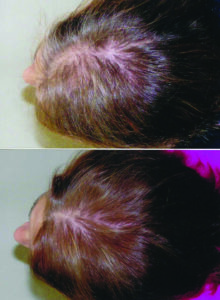
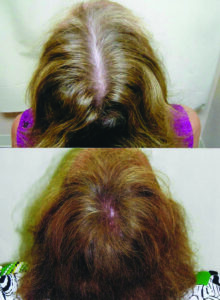
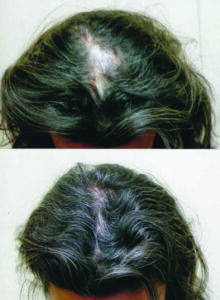
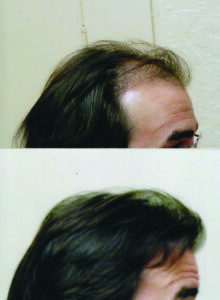
Enjoy the benefits of Hair Restoration and Injury Treatment now and pay later with our flexible payment options .