
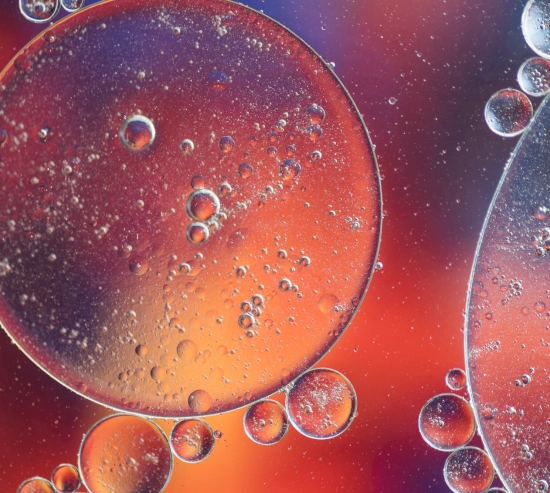
Exosomes are tiny vesicles naturally released by stem cells, carrying a wide variety of bioactive molecules that are designed to support healing and reduce pain following an injury. In some cases, exosomes may be even more effective than stem cells for regenerative purposes, as they contain proteins, RNAs, microRNAs, and lipids that are particularly potent in promoting tissue repair and reducing inflammation.
Once introduced into damaged or stressed tissue, exosomes deliver these bioactive molecules directly to the affected area. They interact with surrounding cells, stimulating the body’s natural immune response, signaling the tissue to initiate the repair and regeneration process. This leads to reduced pain, less inflammation, and a faster return to normal function after injury or tissue damage.
Exosome therapy is minimally invasive, typically administered using a very thin needle, and often provides rapid and long-lasting results. As we age, the natural production of exosomes in the body decreases, slowing down the healing process. Replenishing these essential vesicles through therapy can enhance the body’s healing abilities, support recovery, and provide effective pain management, especially when stem cell therapy alone is not sufficient.
Stem cell therapy has been shown to effectively treat pain from conditions like neuropathic, musculoskeletal, osteoarthritic, discogenic back pain, and tendon and ligament issues. If physical therapy hasn’t alleviated your severe pain, stem cell therapy can target the root cause and promote healing. This regenerative treatment offers long-term relief for people who haven’t found success with conventional methods.
Osteoarthritis is a chronic condition that leads to the gradual breakdown of cartilage and bone, causing joint pain, swelling, stiffness, and decreased mobility. Stem cell therapy presents a promising treatment option by encouraging cartilage regeneration and restoring the cushioning between bones, easing the pain associated with bone friction. By targeting the root cause of joint degeneration, this regenerative approach helps improve long-term mobility and provides relief from the debilitating effects of osteoarthritis.
Tendons and ligaments serve as the body’s connective tissue, linking muscles to bones and allowing for movement and stability. Damage to these tissues, whether from injury or repeated stress, can lead to inflammation, pain, and weakness. Stem cell and exosome therapy aids in the repair and regeneration of torn or damaged tendons and ligaments, accelerating the healing process. This approach reduces pain, strengthens the connective tissue, and promotes natural healing, leading to improved functionality and faster recovery.

Muscle pain commonly results from overuse, strains, or sudden injury to the muscles. Stem cell and exosome injections can be precisely delivered to the affected muscle tissue to activate the body’s healing response. These therapies help regenerate tissue, reduce inflammation, and address the underlying cause of discomfort, offering more effective relief compared to traditional remedies that only provide temporary pain management. This regenerative approach enhances muscle function and reduces pain for long-term relief.
Chronic back pain often stems from spinal conditions such as degenerative disc disease, herniated discs, arthritis, or facet joint inflammation. Conventional treatments frequently provide limited relief. Stem cell and exosome injections stimulate tissue repair, reduce inflammation, and target the structural issues that contribute to back discomfort. By addressing the root causes of pain, these therapies offer patients a chance for long-term pain relief and improved spinal function.
Plantar fasciitis, caused by excessive stress on the plantar fascia, can result in debilitating heel pain. Inflammation in this tissue leads to sharp or burning pain, especially with movement. Stem cell therapy offers a minimally invasive treatment option that reduces inflammation, promotes tissue regeneration, and restores the health of the plantar fascia. This non-surgical approach enhances mobility and provides lasting relief from heel pain, helping individuals regain comfort in their daily activities.

Stem cell and exosome therapies target pain caused by injury, inflammation, and repetitive wear and tear, providing functional benefits that go beyond temporary relief. These advanced treatments promote tissue regeneration, reduce inflammation, and help restore mobility for long-term pain relief.
Stem cells and exosomes have bioactive molecules that effectively reduce inflammation. As inflammation is a leading cause of chronic pain, these therapies calm the affected areas, promoting recovery and offering more durable relief than temporary pain management methods.
Stem cells and exosomes are capable of transforming into the specific cells needed to repair damaged tissue. Whether in muscles, tendons, or cartilage, these regenerative therapies rebuild tissue, restoring function, improving mobility, and enhancing strength.
Stem cells can also impact the nervous system by repairing damaged nerves and reducing hypersensitivity. This process disrupts the pain signals, offering relief from discomfort and supporting long-term recovery from chronic pain.
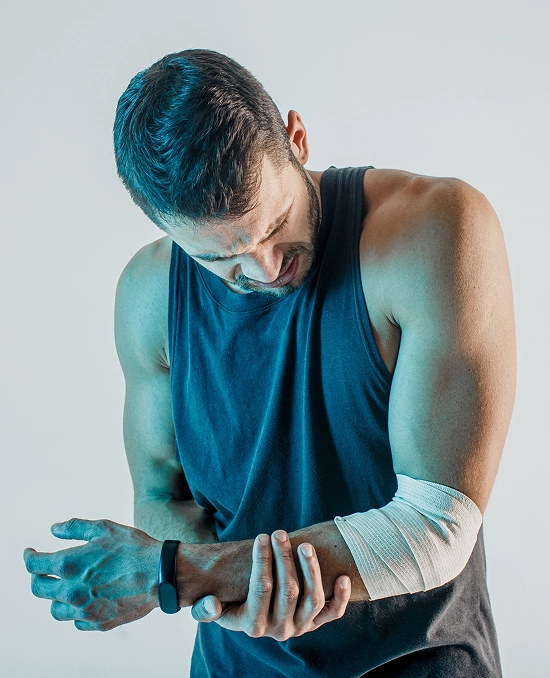

For golfers dealing with pain from injuries, stem cell and exosome therapy offers a solution. These treatments target the root causes of pain and accelerate recovery, allowing players to return to their game with less downtime.
These include:

Lower back injuries in golfers are often caused by the twisting motion during the swing, leading to pain, stiffness, and limited range of motion that can affect overall performance.
Golfer’s elbow is caused by repetitive wrist movements, which lead to inflammation and pain in the elbow tendons, limiting movement and causing discomfort during swings.
Rotator cuff tendonitis and bursitis are common in golfers due to the repetitive stress placed on the shoulder during swings, causing pain, swelling, and restricted movement.
Wrist tendonitis is a result of overuse and repetitive motion during golf, causing inflammation and pain that interferes with the ability to grip and swing effectively.

Regenerative therapies are effective in treating common tennis injuries by targeting pain relief and restoring mobility and function for the following conditions:
Ankle sprains are a common injury in sports, particularly in tennis, where sudden and forceful twists often lead to ligament damage. A sprain occurs when the ankle twists unnaturally, overstretching or tearing the ligaments. Stem cell therapy is an effective treatment option to reduce pain, control swelling, and expedite healing, helping athletes recover faster and restore ankle mobility.
Tennis elbow, or lateral epicondylitis, is caused by repetitive strain on the forearm muscles, leading to pain that radiates through the elbow and forearm. This condition can impair grip strength and limit arm function. Stem cell or exosome therapy helps in healing damaged tendons, reducing inflammation, and providing relief from pain, accelerating the recovery process.
The rotator cuff can be injured through gradual wear or a sudden traumatic event. These injuries often cause pain in the shoulder, restricting arm movement and overall function. Regenerative therapies such as stem cell and exosome injections can reduce inflammation, support tissue repair, and improve range of motion, helping to restore shoulder function.
Tears in the knee ligaments, including the ACL, MCL, or PCL, can be extremely painful and require extended recovery times. Stem cell therapy aids in reducing pain, accelerates recovery, and helps regenerate ligament tissue, improving knee stability and allowing a quicker return to activity.
Patellar tendonitis, also known as Jumper’s Knee, occurs due to repeated stress on the patellar tendon, causing pain and difficulty with movement. Stem cell therapy stimulates healing, reduces inflammation, and helps restore normal knee function, supporting faster recovery.

The increasing popularity of pickleball has led to a higher number of injuries, affecting both casual players and professionals alike. Stem cell therapy can help treat these injuries by targeting the source of pain and facilitating tissue repair and recovery.
The repetitive motions in pickleball lead to tendon strain, resulting in pain and inflammation around the elbow joint. Stem cell therapy works to repair the damaged tendons, ease discomfort, and restore normal arm function.
Ankle sprains in pickleball can happen when the foot twists or lands incorrectly during sudden movements. Regenerative treatments support the healing of ligaments, reduce pain, and help restore the stability needed for full mobility.
Pickleball players, particularly those new to the sport, often experience pain in the Achilles tendon due to overuse and inflammation. Stem cell therapy helps speed up tendon repair, alleviate discomfort, and restore mobility, supporting quicker recovery and reducing pain.
The repetitive motions involved in pickleball can cause wrist pain, stiffness, and reduced flexibility, affecting a player’s performance. Stem cell treatments help repair the tissue, reduce pain, and restore full wrist movement, promoting better flexibility and less discomfort.
Are you living in Palm Beach and struggling with pain from sports injuries or chronic conditions? Stem cell and exosome therapy may provide the solution you've been looking for. These therapies offer non-invasive treatments that target the root cause of pain, helping to heal common injuries effectively.
In Palm Beach, patients have seen faster recovery, fewer surgeries, and less reliance on pain medications with stem cell and exosome treatments. By focusing on healing the source of discomfort, these therapies provide long-term relief rather than just masking the symptoms.
If you are ready to regain mobility, reduce pain, and return to your usual activities in Royal Palm Beach, schedule a consultation today. Discover how these therapies can help restore your active lifestyle and improve overall wellbeing.



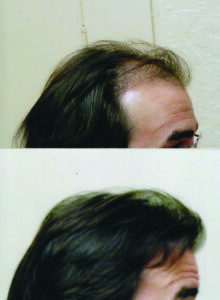
Enjoy the benefits of Hair Restoration and Injury Treatment now and pay later with our flexible payment options .