
Addressing the root cause of pain is the most comprehensive and effective method for achieving lasting relief. Stem cell therapy plays a transformative role in this process, as these undifferentiated cells possess the extraordinary ability to repair and regenerate damaged tissue throughout the body. By targeting areas of persistent discomfort, stem cells can alleviate pain that traditional treatments often fail to resolve.
When stem cells are administered, they travel directly to areas in need of healing and recovery. Upon arrival, they differentiate into the specific types of cells required to rebuild and restore tissue. This regenerative process not only reduces discomfort but also enhances functionality, helping patients perform daily tasks with less restriction and greater ease.
In addition to directly regenerating tissue, stem cell injections can stimulate the body’s own stem cells to move toward the affected areas. Through collaboration, these cells work together to build new tissue, repair damaged structures, and improve overall function. This combined approach fosters more complete healing and long-term pain relief.
Stem cell therapy has proven effective in treating pain from conditions like neuropathic, musculoskeletal, osteoarthritic, discogenic back pain, and tendon and ligament issues. If physical therapy hasn’t relieved your severe pain, stem cell therapy could address the root cause. By promoting tissue regeneration and healing, stem cells target the source of pain, offering long-term relief for those who haven’t found success with traditional treatments.
Osteoarthritis is a progressive condition that gradually erodes cartilage and bone in the joints, leading to discomfort, stiffness, swelling, and a noticeable decrease in mobility. Stem cell therapy holds great promise in regenerating cartilage and restoring the protective layer between bones, which can help reduce the sharp pain caused when bones start to rub against each other due to cartilage loss. This regenerative treatment targets the core issue of joint degeneration, promoting long-lasting mobility and comfort for patients.
Tendons and ligaments are essential for connecting muscles to bones, providing necessary stability, and enabling movement. Over time or following a sudden injury, these tissues can sustain damage, resulting in pain, inflammation, and weakness. Stem cell and exosome therapy can accelerate the healing of torn or damaged tendons and ligaments, helping to restore strength and flexibility. This process encourages the body’s natural healing abilities while alleviating pain, promoting faster recovery.

Muscle pain is often the result of overuse, strain, or acute injuries. Stem cell and exosome injections can be precisely delivered to the painful area to stimulate the body’s natural healing processes. These therapies help promote tissue regeneration, reduce inflammation, and target the root cause of discomfort, providing more effective and long-lasting relief than temporary painkillers or muscle relaxants. By addressing the underlying issue, these therapies improve muscle function and alleviate pain more effectively.
Chronic back pain can stem from various spinal conditions such as degenerative disc disease, herniated discs, facet joint inflammation, or arthritis. Many individuals with persistent back pain find little relief from conventional treatments. Stem cell and exosome injections can support tissue repair, reduce inflammation, and target the structural issues contributing to back discomfort. This approach offers the possibility of enhanced spinal function and long-term relief from chronic back pain.
Plantar fasciitis, a painful condition affecting the heel, results from the overuse and strain on the plantar fascia, the tissue connecting the toes to the heel bone. Inflammation in this area often causes burning or stabbing pain, making walking and daily activities difficult. Stem cell therapy offers a non-invasive treatment that can reduce inflammation, promote healing, and restore tissue health, improving mobility and providing relief from heel pain without the need for surgery.

Stem cell and exosome therapies offer functional benefits by addressing pain caused by injury, inflammation, and repetitive wear and tear. These treatments target the root causes of discomfort, promoting tissue regeneration and providing long-term relief compared to traditional methods that only mask symptoms.
Stem cells and exosomes contain bioactive molecules that have been shown to reduce inflammation significantly. Since inflammation is a key contributor to chronic pain, these therapies target the affected areas, promoting healing and providing lasting relief from discomfort.
Stem cells and exosomes have the ability to differentiate into specific cell types needed to repair damaged tissue. Whether it involves muscle, tendon, or cartilage, these regenerative therapies work to rebuild tissue, restore function, and improve mobility and strength.
Stem cells also play a role in addressing nerve damage and reducing hypersensitivity. By disrupting the pathways that signal pain, stem cells help alleviate discomfort at its source, offering long-term relief from chronic and persistent pain.
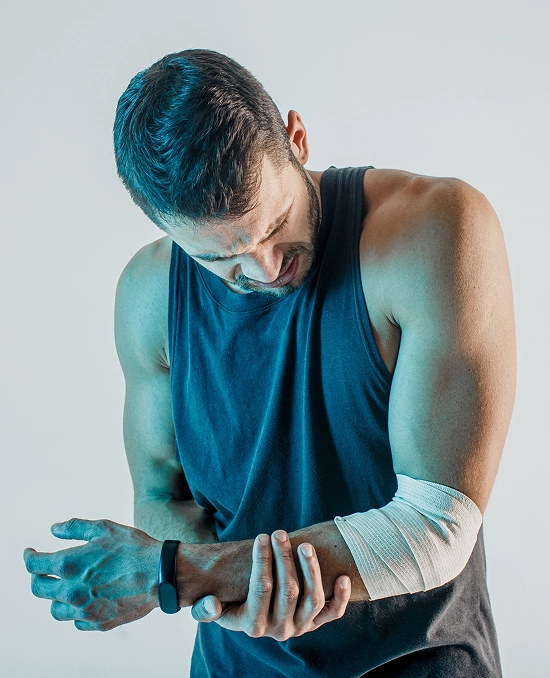

Many golfers have turned to stem cell and exosome therapy to address pain caused by sports injuries. These therapies focus on treating the source of discomfort and support quicker recovery, helping athletes return to the course faster.
These include:

Lower back injuries are common in golfers due to the strain from the twisting motion during the swing, causing significant pain, stiffness, and discomfort.
Golfer’s elbow occurs from repetitive wrist movements, which stress the tendons in the elbow and lead to inflammation, pain, and tenderness.
Rotator cuff tendonitis and bursitis are frequent shoulder injuries in golfers, often resulting from the repetitive swinging motion, causing pain, inflammation, and restricted shoulder mobility.
Wrist tendonitis is typically caused by overuse during play, leading to inflammation, swelling, and discomfort in the wrist, making it difficult to maintain a proper swing.

Regenerative therapies are designed to address common tennis injuries by alleviating pain and restoring mobility and function for the following conditions:
Sprained ankles are one of the most common injuries in sports, and tennis players frequently experience this type of injury. It happens when the ankle twists unnaturally, causing the ligaments to stretch or tear. Stem cell therapy offers an effective solution for reducing pain, managing swelling, and speeding up the healing process, helping restore mobility and function in the affected ankle.
Tennis elbow, medically known as lateral epicondylitis, results from the overuse and repetitive stress on the forearm muscles. This leads to pain that can extend from the elbow to the forearm, affecting grip strength and arm functionality. Stem cell or exosome treatments help in repairing the tendons, reducing inflammation, and relieving pain, promoting faster recovery.
Rotator cuff injuries can develop over time due to repetitive stress or happen suddenly from direct trauma. These injuries typically cause pain across the shoulder and limit arm mobility and function. Regenerative treatments like stem cell or exosome injections can promote tissue healing, reduce inflammation, and help restore strength and range of motion.
Injuries to the knee ligaments, such as tears to the ACL, MCL, or PCL, are significant and often result in intense pain, requiring considerable healing time. Stem cell therapy helps speed up recovery, reduces pain, and supports the regeneration of ligament tissues, enhancing stability and enabling a quicker return to activity.
Patellar tendonitis, commonly known as Jumper’s Knee, is caused by repetitive strain on the patellar tendon, linking the kneecap to the shinbone. This injury leads to pain and discomfort, especially during physical movement. Stem cell therapy promotes tissue regeneration, reduces inflammation, and helps restore proper knee function for smoother movement.

As pickleball grows in popularity, both casual and professional players are increasingly prone to injuries. Stem cell therapy targets the root cause of these injuries, aiding in the repair of damaged tissue and accelerating recovery.
Pickleball elbow occurs when repetitive motions from the game place strain on the tendons that connect muscles to bone, leading to pain and swelling. Stem cell therapy can repair the damaged tendon tissue, reduce pain, and restore full functionality.
The fast movements and sudden pivots in pickleball can cause sprained ankles if the foot is improperly planted or twisted. Regenerative therapy helps heal the ligament damage, alleviates pain, and restores ankle stability for better movement.
Pickleball players, particularly beginners, often suffer from Achilles tendon pain due to overuse and inflammation. Stem cell therapy helps accelerate the healing of the tendon, reduce discomfort, and improve overall mobility for a quicker recovery.
The repetitive motions in pickleball can cause wrist pain, stiffness, and limited flexibility, affecting overall performance. Stem cell treatments work to repair the damaged tissue and restore normal wrist function, allowing for better movement and less discomfort.
If you're living in Riviera Beach and suffering from pain due to sports injuries or chronic conditions, stem cell and exosome therapy might be the solution you need. These advanced treatments provide non-invasive options to address pain and treat the root causes of common injuries, offering long-lasting relief without surgery.
Patients in Riviera Beach have experienced faster recovery, fewer surgical procedures, and a decrease in reliance on pain medications. Stem cell and exosome therapies focus on healing the underlying issue rather than just masking the symptoms, offering a more holistic approach to recovery.
If you're ready to regain your mobility, reduce chronic pain, and return to your everyday activities in Riviera Beach, schedule a consultation today. Discover how stem cell and exosome therapy can restore your active lifestyle and improve your quality of life.



Enjoy the benefits of Hair Restoration and Injury Treatment now and pay later with our flexible payment options .